Therapy explained
What happens after therapy ends: keeping your progress going
Finishing therapy can bring relief, pride and a little uncertainty. Here is how endings usually work, what you might feel afterwards, and practical ways to hold on to what you have learned.
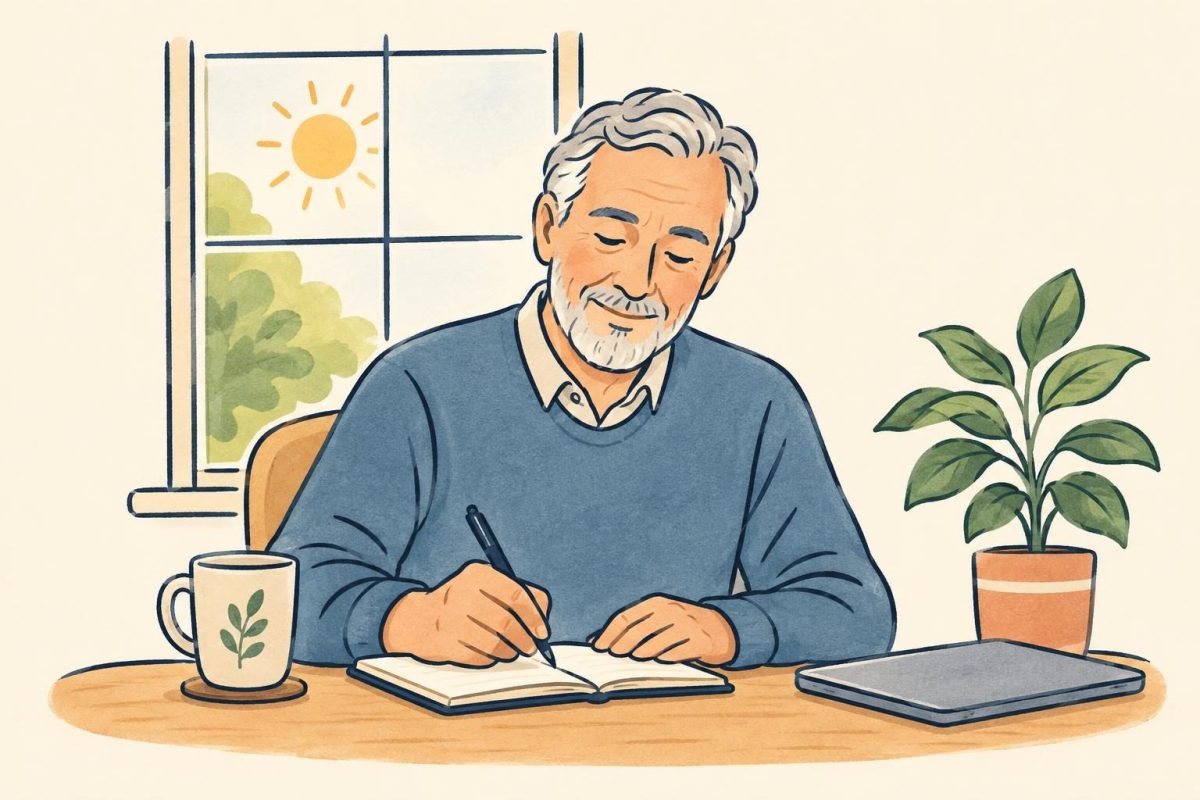
A lot is written about starting therapy, but much less about finishing it. Yet the ending matters too. After weeks or months of regular sessions, stopping can feel like a big change, even when you feel ready.
This article explains what a good ending usually looks like, the feelings that can come up afterwards, and some practical ways to keep your progress going once your sessions have stopped.
Why endings are part of the work
In most therapy, the ending is not just the last session. It is something you and your therapist plan together, often over several weeks. Many therapists see it as an important stage of therapy in its own right.
A planned ending gives you space to look back at where you started, notice what has changed and think about what you want to take forward. For some people, it is also a chance to experience an ending that is calm and respectful, which may be different from endings they have known before.
Therapy can end for many reasons. You may have reached the goals you set, you may have used an agreed number of sessions, or your life may have changed in a way that makes continuing difficult. Sometimes people simply feel they have done enough for now. All of these are valid. If you are thinking about stopping, it usually helps to say so in a session rather than just not booking again, so you can end in a way that feels complete.
Preparing for your final sessions
As the end comes closer, you might use your sessions a little differently. You and your therapist may spend time reviewing what you have worked on. It can help to think about a few questions beforehand:
- What was I struggling with when I started, and how does it feel now?
- What have I learned about myself, my thoughts or my patterns?
- Which skills or ideas have helped most in day-to-day life?
- What situations might still be hard for me?
- What would tell me I need some extra support again?
Some people like to space out their last few sessions, for example moving from weekly to fortnightly, so they can practise coping on their own while still having a check-in. This is worth discussing with your therapist if it appeals to you, as approaches vary.
How you might feel when therapy finishes
There is no right way to feel after your last session. Many people notice a mix of emotions, sometimes all at once.
- Relief or pride at having put in the effort and come through a difficult time.
- Sadness or loss, because the relationship with your therapist may have been an important one.
- Nervousness about managing without a regular space to talk things through.
- Freedom, with more time and energy for other parts of life.
These feelings are normal and usually settle over time. Missing your sessions does not mean you were not ready to stop. It often reflects how meaningful the work was.
Practical ways to keep your progress going
The changes you made in therapy belong to you. They do not disappear when the sessions end, but like any skill, they tend to stay stronger with regular use. Here are some ideas that many people find helpful.
Keep a regular check-in with yourself
Your weekly session may have been a natural point to pause and reflect. You can keep some of that rhythm by setting aside a short time each week, perhaps the same day and time you used to have therapy. You might ask yourself how the week went, what felt hard and what helped.
Write down what you learned
Memories of insights fade over time. Writing a short summary of the main things you learned, in your own words, gives you something to look back on. Include any phrases or ideas from therapy that stuck with you.
Keep practising the skills
If you learned specific techniques, such as breathing exercises, grounding, noticing unhelpful thoughts or setting boundaries, try to use them even when things are going well. Practising when you are calm makes them easier to reach for when you are stressed.
Look after the basics
Sleep, food, movement, time outdoors and contact with people you trust all affect how you feel. They are not a cure for everything, but they give you a steadier base to cope from.
Lean on your support network
Therapy may have helped you understand what kind of support you need. Letting one or two trusted people know how they can help, even in small ways, means you are not carrying everything alone.
Making a simple wellbeing plan
Many therapists help clients put together a plan before the end of therapy. Some call it a relapse prevention plan or a staying well plan. If you did not make one, you can create your own. It might include:
- Early warning signs. The first small changes that suggest you are struggling, such as sleeping badly, avoiding people or snapping more easily.
- Likely triggers. Situations that have been hard in the past, like anniversaries, work pressure or conflict.
- What helps. The skills, activities and people that make a difference for you.
- What to avoid. Habits that tend to make things worse, even if they feel comforting in the moment.
- When to get more support. The point at which you would speak to your GP, contact a therapist or reach out to someone close.
Keep the plan somewhere easy to find, such as on your phone or in a notebook, and update it as you learn more about yourself.
Setbacks are not the same as starting again
It is very common to have harder patches after therapy ends. Life brings new stresses, and old feelings can return for a while. This does not mean therapy failed or that you are back where you began.
A useful way to think about it is that you now have more understanding and more tools than you had before. A difficult week is a chance to use them. Try to notice what triggered the dip, look at your wellbeing plan and be as kind to yourself as you would be to a friend in the same position.
If you find yourself thinking I should be over this by now, it may help to remember that progress is rarely a straight line. Ups and downs are part of most people's recovery.
When it might be time to go back
Returning to therapy is not a sign of weakness or failure. Some people come back for a few top-up sessions during a stressful period. Others return later to work on something new. You might consider it if:
- Your early warning signs are lasting longer than a couple of weeks.
- Your usual coping strategies are not helping as much.
- A big life change, such as a loss, a move or a new role, is shaking your footing.
- You want to explore an issue that did not come up the first time.
You may be able to return to the same therapist, which can mean less time spent catching up. Or you might choose someone new who offers a different approach. If you are unsure what you need, your GP can also talk through your options. If you would like to start again from home, you can book a registered therapist for a private video session through WebcamTherapy.
Please remember that therapy, including online therapy, is not an emergency service. If you ever feel unsafe or have thoughts of harming yourself, call 999 in an emergency, call NHS 111, or contact Samaritans free on 116 123 at any time, day or night.
Carrying the work forward
Ending therapy is a transition, not a full stop. The understanding you built, the skills you practised and the changes you made can keep growing long after your last session. With a little regular attention, a simple plan and the willingness to ask for help when you need it, you can keep moving in the direction that matters to you.
WebcamTherapy editorial team
Our articles are reviewed by registered therapists before publishing.
Related articles
Therapy explained
How CBT works: the links between thoughts, feelings and behaviour
Cognitive behavioural therapy is built on a simple idea: what we think, how we feel and what we do all affect each other. Here is how that cycle works, and how CBT helps you change it.
10 Nov 2026 · 7 min read

Therapy explained
Dialectical behaviour therapy skills for intense emotions
Dialectical behaviour therapy (DBT) teaches practical skills for moments when feelings become overwhelming. Here is a calm guide to what DBT is, the four main skill areas, and a few techniques people often find useful.
31 Mar 2026 · 7 min read
Therapy explained
Confidentiality in therapy: what stays private and where the limits are
Knowing what happens to the things you say in therapy can make it easier to open up. Here is a clear guide to what stays private, the few exceptions, and the questions worth asking at the start.
25 Dec 2025 · 7 min read