Therapy explained
Confidentiality in therapy: what stays private and where the limits are
Knowing what happens to the things you say in therapy can make it easier to open up. Here is a clear guide to what stays private, the few exceptions, and the questions worth asking at the start.
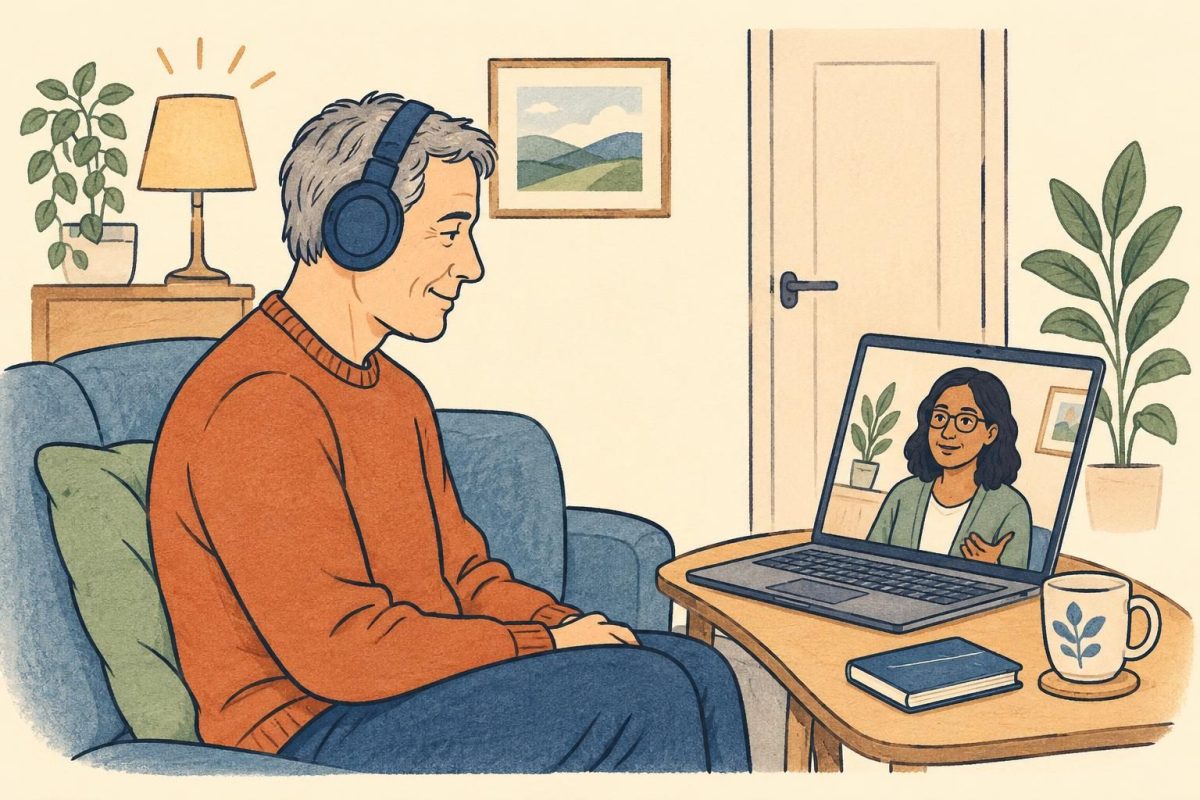
Many people sit down for their first therapy session with a quiet worry. What if I say something and it gets passed on? Will my employer find out? Will it go on my medical record? These are reasonable questions, and you deserve clear answers.
Confidentiality is at the heart of therapy. It is what lets you talk honestly about things you may never have said out loud before. It is also not quite absolute, and a good therapist will be open with you about that from the start. This article explains what usually stays private, the limited situations where a therapist might need to share information, and how you can find out exactly how your own therapist works.
What confidentiality means in therapy
In simple terms, confidentiality means that what you talk about in your sessions stays between you and your therapist. They will not discuss it with your family, friends, employer or anyone else without your agreement, apart from in a small number of specific circumstances.
Therapists who are registered with professional bodies such as BACP, NCPS or UKCP follow ethical codes that treat confidentiality as a core responsibility. They are also bound by UK data protection law, which sets rules about how personal information, especially health information, is stored and used.
In practice, this usually means:
- Your therapist will not tell anyone you are seeing them unless you agree.
- They will not contact your GP, partner or workplace without your permission, except in the rare situations described below.
- If they bump into you somewhere outside therapy, many therapists will not say hello unless you do first, to protect your privacy.
- Any notes they keep should be stored securely and only for as long as needed.
The limits: when a therapist might share information
There are a few situations where a therapist may need to share information, even without your full agreement. These are uncommon, and they exist to keep people safe rather than to catch anyone out. The exact wording varies between therapists, but the main ones are below.
Serious risk to you or someone else
If your therapist believes there is a serious risk that you might be badly harmed, or that you might seriously harm another person, they may need to share some information to help keep everyone safe. This might mean contacting your GP or, in an urgent situation, emergency services.
It is important to know that talking about difficult feelings, including thoughts of not wanting to be here, does not automatically mean your therapist will break confidentiality. Therapists hear about painful thoughts and feelings regularly, and exploring them safely is part of their work. The threshold is usually about serious and immediate risk, not about having dark or frightening thoughts.
Safeguarding children or adults at risk
If a therapist learns that a child, or an adult who cannot protect themselves, is being abused or is at serious risk of harm, they may have a duty to report this to the appropriate services. This is called safeguarding.
Legal requirements
In a small number of cases, the law requires information to be shared. For example, a therapist may be required to pass on information related to terrorism or certain serious crimes, and a court can order a therapist to provide notes or give evidence. These situations are rare for most people in therapy.
How it is usually handled
Where it is safe and possible, a therapist will normally talk to you first before sharing anything. They will often try to involve you in the decision, explain what they plan to say and to whom, and share only what is necessary. Breaking confidentiality is a serious step, and therapists do not take it lightly.
Supervision: why your therapist talks to someone else
You may hear that your therapist has regular supervision. This can sound worrying at first, but it is a normal and important part of good practice.
Supervision is when a therapist meets with an experienced colleague to reflect on their work. It helps them stay thoughtful, spot their own blind spots and look after their own wellbeing. Professional bodies expect registered therapists to have it.
In supervision, therapists usually talk about their clients without giving names or details that could identify them. The supervisor is also bound by confidentiality. The aim is to make sure you are getting the best possible care, not to share your private life with someone new.
Notes, records and your data
Most therapists keep some kind of notes. These are often brief and focus on themes, progress and anything important for your care, rather than a word-for-word account of what you said.
Under UK data protection law, therapists should:
- Keep your information secure, whether on paper or digitally.
- Only collect what they genuinely need.
- Tell you how long they keep records and what happens to them afterwards.
- Explain how you can ask to see the information they hold about you.
You generally have the right to request a copy of the personal information held about you. If you are curious, it is fine to ask your therapist how they keep notes and what they include.
It is also worth knowing that if you see a private therapist you have found yourself, your sessions do not usually appear on your NHS medical record unless you agree to information being shared with your GP. If you are referred through your GP, an employer scheme or insurance, there may be some communication with them, so it is worth checking exactly what is shared.
Confidentiality and online therapy
If you have therapy by video, the same ethical and legal principles apply. Your therapist should take care to have sessions somewhere private, where they cannot be overheard, and to keep any records secure.
There are also a few things you can do on your side to protect your own privacy:
- Choose a space where you are unlikely to be overheard or interrupted, if you can.
- Use headphones so the other side of the conversation stays private.
- Avoid using a shared or work device if possible.
- Close the session properly at the end and be mindful of saved logins on shared computers.
If finding a private space at home is hard, you can talk to your therapist about it. Some people take sessions in a parked car, a quiet room at a friend's house, or adjust times to when the house is empty.
Questions worth asking at the start
A good therapist will usually explain confidentiality in your first session, often as part of a written or spoken agreement sometimes called a contract. If they do not, or if anything is unclear, you are entitled to ask. You might want to ask:
- What are the specific situations when you would share information about me?
- Would you talk to me first before sharing anything?
- Who would you contact, for example my GP or someone else?
- Do you have supervision, and how do you protect my identity there?
- What notes do you keep, where are they stored and for how long?
- What would happen to my information if you were unable to continue working?
Asking these questions is not rude or awkward. It shows you are taking care of yourself, and most therapists welcome it. Knowing the boundaries clearly can actually make it easier to relax and speak freely.
If you are worried about saying something
Sometimes people hold back in therapy because they are afraid of the consequences of being honest. If that is true for you, you could start by asking your therapist a general question, such as "What would happen if I told you about...?" before going into detail. This gives you a chance to understand their response and decide what feels right to share.
Remember that therapists are trained to hear difficult things without judgement. Shame, unusual thoughts, past mistakes and painful experiences are all things people bring to therapy. Confidentiality exists so that you can do this safely.
If you are in crisis or feel you might not be safe, please remember that online therapy is not an emergency service. In the UK you can call 999 in an emergency, call NHS 111 for urgent advice, or contact Samaritans free at any time on 116 123.
Feeling safe enough to talk
Confidentiality is one of the things that makes therapy different from other conversations. For most people, almost everything they talk about stays private. The exceptions are limited, are there to protect people from serious harm, and should be explained to you clearly before you begin.
If you are thinking about starting therapy, you can book a private video session with a registered therapist through WebcamTherapy and ask about confidentiality in your first conversation. Whoever you see, you have every right to understand how your information is looked after, so you can focus on what matters most: getting the support you need.
WebcamTherapy editorial team
Our articles are reviewed by registered therapists before publishing.
Related articles
Therapy explained
How CBT works: the links between thoughts, feelings and behaviour
Cognitive behavioural therapy is built on a simple idea: what we think, how we feel and what we do all affect each other. Here is how that cycle works, and how CBT helps you change it.
10 Nov 2026 · 7 min read
Therapy explained
What happens after therapy ends: keeping your progress going
Finishing therapy can bring relief, pride and a little uncertainty. Here is how endings usually work, what you might feel afterwards, and practical ways to hold on to what you have learned.
3 Oct 2026 · 6 min read

Therapy explained
Dialectical behaviour therapy skills for intense emotions
Dialectical behaviour therapy (DBT) teaches practical skills for moments when feelings become overwhelming. Here is a calm guide to what DBT is, the four main skill areas, and a few techniques people often find useful.
31 Mar 2026 · 7 min read