Anxiety
Social anxiety: small steps that make a real difference
Social anxiety can make everyday moments feel like a test you might fail. Here is why it tends to keep itself going, and some small, manageable steps that can gradually loosen its hold.
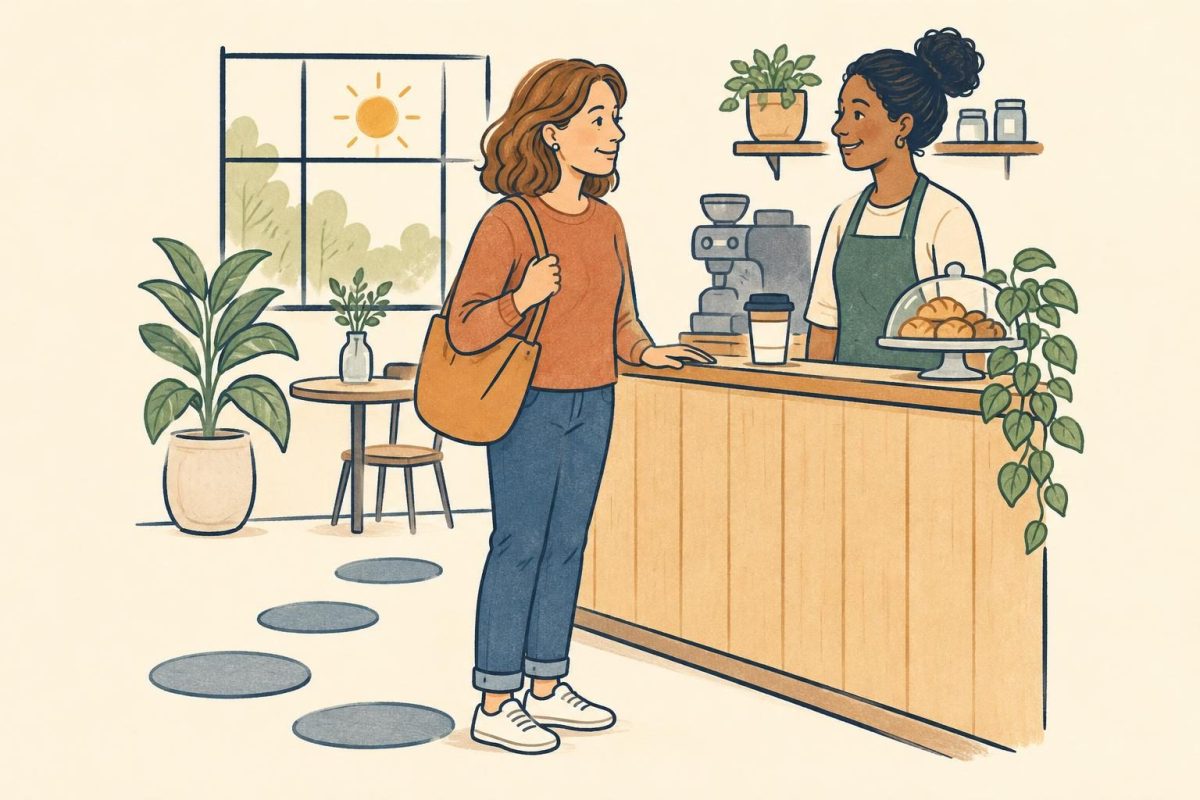
Perhaps your heart races before you speak up in a meeting. Perhaps you rehearse a phone call several times, or leave a party early and then spend the evening replaying every word you said. If this sounds familiar, you are far from alone. Social anxiety is one of the most common forms of anxiety, and it is also one of the most misunderstood.
The good news is that change does not usually come from one big, brave leap. It tends to come from small, repeated steps that slowly teach your mind and body that social situations are more manageable than they feel. This article looks at what social anxiety is, what tends to keep it going, and some gentle ways to start making a difference.
What social anxiety is, and what it is not
Most people feel nervous in some social situations, such as a job interview or giving a speech. That is a normal part of being human. Social anxiety is when the fear of being judged, embarrassed or seen negatively by others becomes strong and persistent enough to affect your daily life.
It is different from simply being shy or introverted. Someone who is introverted may enjoy their own company and find big groups tiring, but they do not necessarily feel afraid. With social anxiety, the main feature is fear: worry that you will say the wrong thing, look awkward, blush, shake or be found out as somehow not good enough.
Common experiences include:
- Dreading everyday situations such as eating in front of others, making phone calls or chatting with colleagues
- Physical signs like a racing heart, sweating, blushing, trembling or a shaky voice
- Worrying for days or weeks before an event
- Going over conversations afterwards, picking out what you think went wrong
- Avoiding situations, or getting through them while feeling very uncomfortable
When these feelings are long-lasting and get in the way of work, study, friendships or relationships, a GP or mental health professional may describe it as social anxiety disorder. Only a professional who knows your situation can talk this through with you properly.
Why social anxiety tends to keep itself going
Understanding the pattern behind social anxiety can make it feel less mysterious. A few common habits often keep the fear alive, even though they feel helpful in the moment.
Avoidance
Avoiding a situation brings quick relief. The trouble is that you never get the chance to find out that it might have gone better than you feared. Over time, the list of things that feel too hard can grow.
Safety behaviours
These are the small things people do to try to get through a situation without being noticed or judged. Examples include staying quiet, avoiding eye contact, holding a drink tightly so your hands do not shake, or planning exactly what to say. They can feel protective, but they often make you feel more self-conscious, and they can make you seem distant when you are actually keen to connect. They also mean that if things go well, you may credit the safety behaviour rather than yourself.
Focusing inwards
When anxious, many people turn their attention inwards, checking how red their face feels or how their voice sounds. This makes the anxiety feel more obvious and can lead to the belief that everyone else can see it too. In reality, other people usually notice far less than we imagine.
The after-event review
Replaying a conversation afterwards, often called a post-mortem, tends to focus on the awkward moments and skip over the parts that went fine. This can leave you feeling worse and more worried about next time.
Small steps you can try
None of these steps need to be done perfectly or all at once. Choose one that feels just a little stretching, not overwhelming.
1. Build a gentle ladder
Write down a few social situations you find difficult and put them in order, from slightly uncomfortable to very hard. Start near the bottom. That might mean saying good morning to a neighbour, asking a shop assistant a question, or sending a message to a friend you have not spoken to for a while. Repeat a step a few times until it feels a bit easier, then move up when you are ready.
2. Drop one safety behaviour
Pick one small thing you usually do to feel protected and try letting it go for a short time. You might make a bit more eye contact, put your drink down, or share one opinion instead of staying silent. Notice what actually happens, rather than what you predicted.
3. Turn your attention outwards
When you notice yourself checking how you look or sound, gently shift your focus to the other person and the conversation. What are they saying? What is in the room around you? This is a skill, and like any skill it gets easier with practice.
4. Treat it as an experiment
Before a situation, write down what you fear will happen, such as "I will go blank and everyone will think I am odd". Afterwards, write down what did happen. Over time, comparing your predictions with reality can help your mind update its expectations.
5. Put a limit on the post-mortem
If you find yourself replaying a conversation, try asking a few balanced questions. What went well? Would I judge a friend this harshly? Is there any real evidence that people thought badly of me? Then choose something else to focus on, such as a walk, a task or a chat with someone you trust.
6. Look after the basics
Sleep, regular meals, movement and cutting back on caffeine will not remove social anxiety, but they can make your body feel a little calmer. Slow breathing before a situation may also help take the edge off physical symptoms.
Being kind to yourself along the way
Progress with social anxiety is rarely a straight line. Some days a step will feel easy, and other days the same step will feel much harder. This is normal and does not mean you are going backwards.
It can help to notice and value small wins. Staying in a conversation a few minutes longer, making a phone call you would usually put off, or going to an event even if you leave early are all real achievements. Try speaking to yourself the way you would speak to a friend who was finding things hard: with patience rather than criticism.
Small, steady steps often matter more than big gestures. Each one is a chance to learn something new about what you can manage.
When it might help to get support
Self-help steps are useful for many people, but social anxiety can be deeply rooted, and it is not a personal failing if you need more support. It may be worth talking to your GP or a registered therapist if:
- Anxiety is stopping you from working, studying or seeing people
- You are avoiding more and more situations
- You feel low, hopeless or isolated as a result
- You are relying on alcohol or other substances to cope with social situations
In the UK, NICE guidance recommends a form of cognitive behavioural therapy (CBT) developed specifically for social anxiety as a first treatment for adults with social anxiety disorder. This usually involves understanding your own pattern of anxiety, testing out fearful predictions, reducing safety behaviours and practising new ways of handling social situations, all at a pace agreed with your therapist. Other talking therapies can also help people explore where their fears come from and build confidence. No single approach works for everyone, so it is worth finding what suits you.
Taking the first step when talking itself feels hard
For someone with social anxiety, contacting a therapist can feel like one of the hardest steps of all. It may help to know that therapists are used to people feeling nervous, especially at the start, and that you can go at your own pace. You do not need to have the right words ready.
Some people find it easier to begin from a familiar space at home. Through WebcamTherapy, you can book and pay online for a private video session with a therapist registered with BACP, NCPS or UKCP, with reminders sent by text and email so there is one less thing to think about.
If at any point you feel unsafe or have thoughts of harming yourself, please remember that online therapy is not an emergency service. In the UK you can call 999 in an emergency, call NHS 111, or contact Samaritans free on 116 123 at any time, day or night.
Social anxiety can feel very fixed, but many people find that, step by small step, the world starts to feel a little more open again.
WebcamTherapy editorial team
Our articles are reviewed by registered therapists before publishing.
Related articles
Anxiety
Panic attacks: what happens in your body and how therapy can help
A panic attack can feel frightening and out of the blue. Understanding what your body is doing, and why, is often the first step towards feeling less afraid of the next one.
17 Sep 2023 · 7 min read
Anxiety
Understanding generalised anxiety disorder and how talking therapy helps
When worry spreads across almost every part of life and is hard to switch off, it may be generalised anxiety disorder. Here is what GAD is, why worry keeps itself going, and how talking therapy can help you relate to it differently.
12 Mar 2023 · 7 min read
Therapy explained
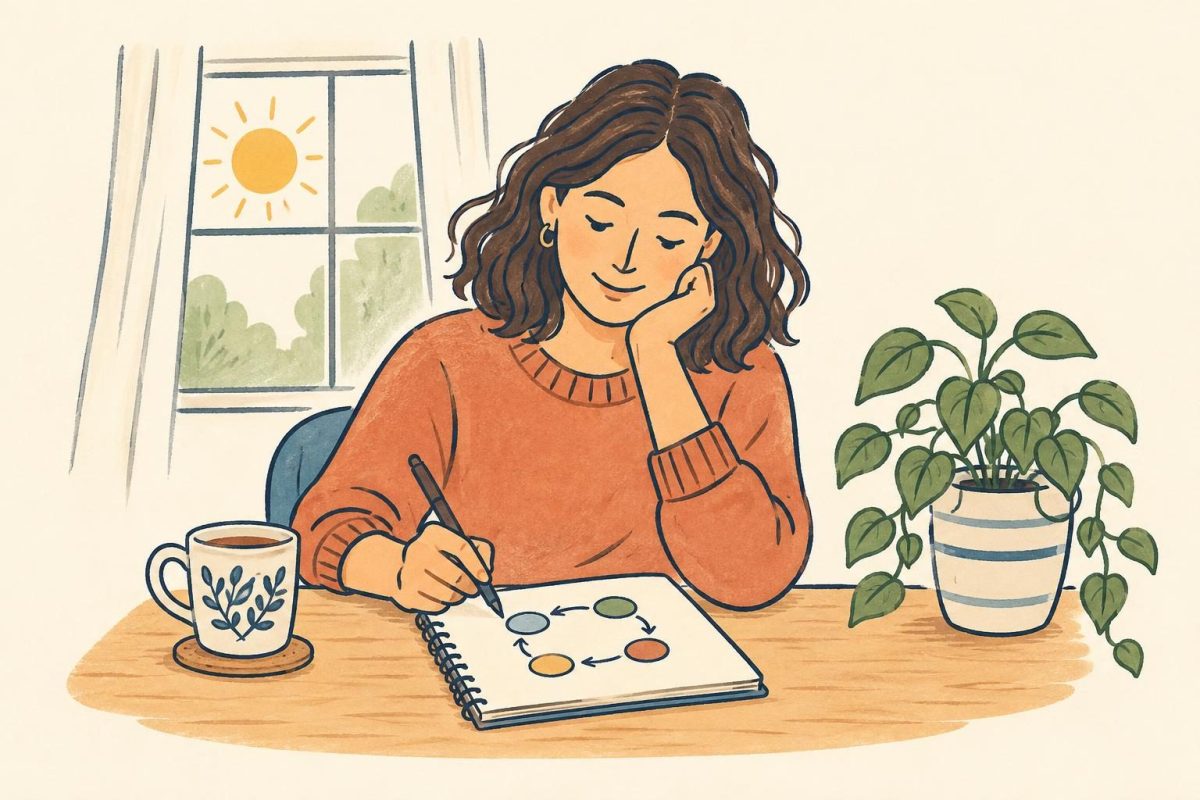
How CBT works: the links between thoughts, feelings and behaviour
Cognitive behavioural therapy is built on a simple idea: what we think, how we feel and what we do all affect each other. Here is how that cycle works, and how CBT helps you change it.
10 Nov 2026 · 7 min read