Anxiety
Panic attacks: what happens in your body and how therapy can help
A panic attack can feel frightening and out of the blue. Understanding what your body is doing, and why, is often the first step towards feeling less afraid of the next one.
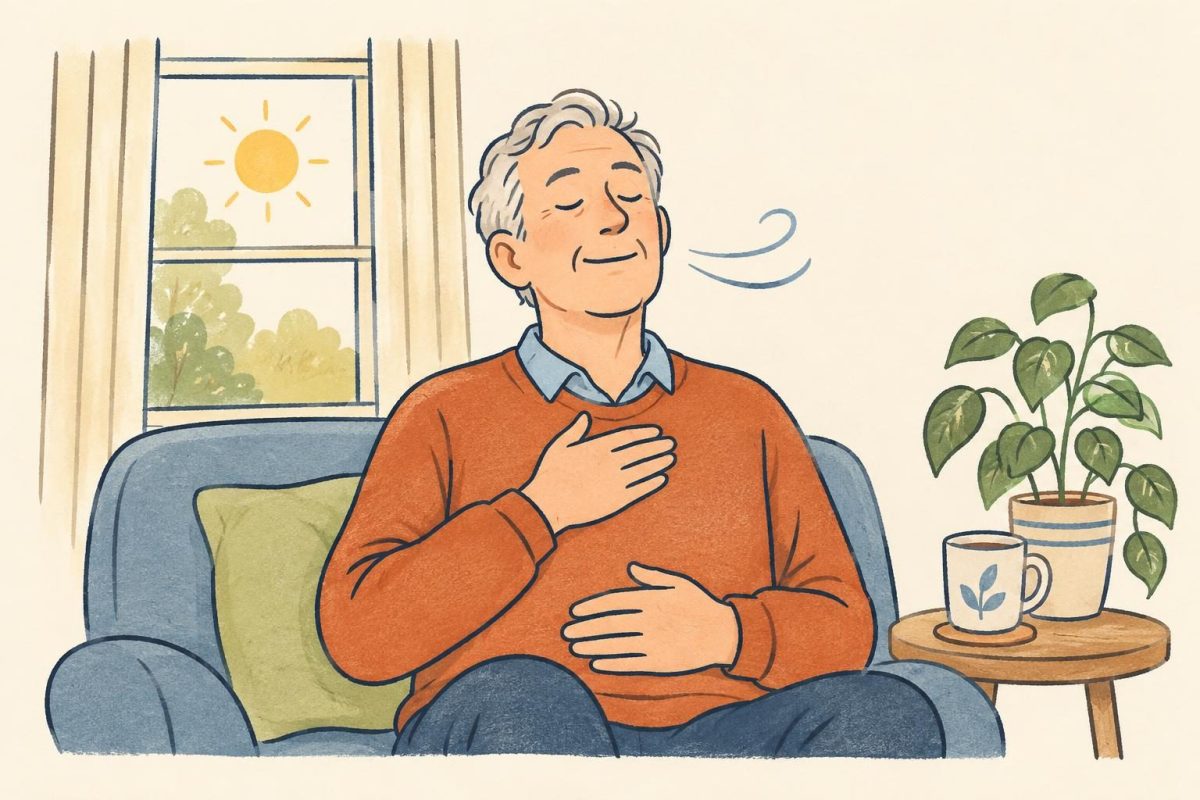
If you have had a panic attack, you may remember it very clearly. Your heart raced, your breathing changed, and you may have felt sure that something was badly wrong. Many people say it is one of the most frightening things they have ever felt, even when they later learn they were physically safe.
Panic attacks are common, and they are understandable. This article explains what is happening in your body during one, why the fear can keep going round in a loop, and how therapy can help you feel less at the mercy of them. It is general information, so if you are worried about your own symptoms, it is always worth talking to your GP.
What a panic attack feels like
A panic attack is a sudden rush of intense fear, along with strong physical feelings. It usually builds quickly and often peaks within a few minutes, then slowly eases. Afterwards, people often feel drained, shaky or tearful.
Common signs include:
- a pounding or racing heart
- feeling short of breath, or as if you cannot get enough air
- tightness or discomfort in the chest
- sweating, trembling or feeling hot or cold
- dizziness or feeling light-headed
- tingling or numbness, often in the hands, feet or around the mouth
- feeling sick or having an upset stomach
- feeling unreal, or detached from yourself or your surroundings
- a strong fear of losing control, fainting, having a heart attack or dying
Not everyone has all of these. Some people have one panic attack and never another. Others have them more often, and may start to worry a lot about when the next one will come. When panic attacks keep happening and the fear of them starts to shape your life, a doctor may talk about panic disorder. Only a qualified professional can make that assessment, and having panic attacks does not automatically mean you have it.
What is happening in your body
Your body has a built-in alarm system, often called the fight, flight or freeze response. It evolved to protect us from danger. When your brain senses a threat, it signals your body to release stress hormones such as adrenaline. This prepares you to act fast.
During a panic attack, this alarm goes off strongly, even though there is no immediate danger in front of you. Almost every sensation has a protective purpose:
- Your heart speeds up to pump more blood to your muscles, so you could run or defend yourself.
- Your breathing gets faster to take in more oxygen. Breathing quickly or deeply can lower the level of carbon dioxide in your blood, which can cause dizziness, tingling and a feeling of breathlessness, even though you are getting plenty of air.
- You sweat to cool your body down in case you need to exert yourself.
- Your digestion slows, because it is not a priority in an emergency. This can cause nausea or butterflies.
- Your muscles tense, ready for action, which can lead to shaking or aches afterwards.
- Your attention narrows to scan for danger, which can make the world feel strange or unreal.
In other words, these feelings are the body doing its job, just at the wrong moment. The alarm is very sensitive, a bit like a smoke detector that goes off when you make toast. It is unpleasant, but it is not the same as a fire.
Why panic can feed itself
One of the most helpful things to understand about panic is how it can build into a cycle. It often goes something like this:
- You notice a body sensation, such as your heart beating faster or feeling a little dizzy.
- You interpret it as a sign of danger: what if I am having a heart attack, or about to faint?
- That thought is frightening, so your alarm system fires more strongly.
- The sensations get stronger, which seems to confirm the fear.
Over time, people can become very alert to small changes in their body, and this makes it more likely that the cycle will start. Many people also begin to avoid places or activities linked to past attacks, such as busy shops, public transport, exercise or caffeine. Some develop habits that feel protective, such as always sitting near an exit, carrying water, or never going out alone.
These habits make complete sense, but they can quietly keep the fear going. If you always avoid a situation, you never get the chance to learn that you could cope with it, or that the sensations would pass on their own.
Checking physical causes first
Because panic attacks feel so physical, it is sensible to see your GP, especially if you have not had them before. Some health conditions, medicines and substances can cause similar symptoms, and your GP can help rule these out. Being reassured that your body is healthy can also make the explanations above easier to trust.
If you ever have chest pain or other symptoms and you are not sure whether it is panic or something physical, treat it seriously and seek medical help. Call 999 in an emergency or NHS 111 if you need advice. Online therapy is not an emergency service. If panic or anxiety ever leaves you feeling hopeless or having thoughts of harming yourself, you can contact Samaritans free on 116 123, at any time of day or night.
How therapy can help with panic
The good news is that panic responds well to treatment for many people. In the UK, NICE recommends cognitive behavioural therapy (CBT) for panic disorder. CBT looks at the links between what you think, what you feel in your body and what you do. Other approaches can also help, and a therapist will talk with you about what suits you.
Therapy for panic often includes some of the following.
Understanding your own panic cycle
Your therapist will usually help you map out what happens during your attacks: the triggers, the sensations, the thoughts and what you do next. Seeing it written down can make panic feel less mysterious and more manageable.
Looking again at frightening thoughts
Together, you might explore the beliefs that drive the fear, such as my heart racing means something is wrong. This is not about telling yourself to calm down. It is about gently testing how accurate the thought is, based on your own experience.
Getting used to body sensations
Some therapists use exercises that bring on mild versions of panic sensations in a safe, planned way, such as spinning in a chair to feel dizzy or breathing through a straw. This sounds odd, but it can teach your brain that these feelings are uncomfortable rather than dangerous. It is always done at your pace and with your agreement.
Slowly facing avoided situations
If panic has led you to avoid certain places or activities, your therapist can help you return to them step by step. You might start with something that feels only slightly challenging and build from there.
Dropping safety habits
You may work on letting go of habits that keep the fear going, a little at a time. Each time you cope without them, your confidence tends to grow.
Exploring what lies underneath
For some people, panic is linked to stress, big life changes, past experiences or ongoing worries. Talking these through can help you understand why your alarm system has become so sensitive, and what might help it settle.
Small things that may help in the moment
Therapy works on the bigger pattern, but a few simple ideas can help during an attack:
- Name it. Telling yourself this is panic, and it will pass can take some of the fear out of it.
- Let the wave come and go. Fighting the sensations can make them stronger. Some people find it helps to notice them with curiosity instead.
- Slow your breathing gently. Try breathing out a little longer than you breathe in, without forcing it.
- Stay where you are if you can. Leaving straight away can teach your brain that the situation was dangerous.
These will not stop every attack, and that is fine. The aim is not to never feel anxious again, but to feel less afraid of anxiety itself.
Taking the next step
If panic attacks are affecting your daily life, you do not have to manage them alone. A good first step is often a chat with your GP, who can check your physical health and talk about options, including NHS talking therapies. You might also choose to see a therapist privately. For some people, starting from home feels easier, and with WebcamTherapy you can book a registered therapist for a private video session in your browser.
However you begin, remember that panic, frightening as it feels, is your body trying to protect you. With understanding and the right support, many people find that it loosens its hold over time.
WebcamTherapy editorial team
Our articles are reviewed by registered therapists before publishing.
Related articles
Anxiety
Social anxiety: small steps that make a real difference
Social anxiety can make everyday moments feel like a test you might fail. Here is why it tends to keep itself going, and some small, manageable steps that can gradually loosen its hold.
17 Feb 2024 · 7 min read
Anxiety
Understanding generalised anxiety disorder and how talking therapy helps
When worry spreads across almost every part of life and is hard to switch off, it may be generalised anxiety disorder. Here is what GAD is, why worry keeps itself going, and how talking therapy can help you relate to it differently.
12 Mar 2023 · 7 min read
Therapy explained
How CBT works: the links between thoughts, feelings and behaviour
Cognitive behavioural therapy is built on a simple idea: what we think, how we feel and what we do all affect each other. Here is how that cycle works, and how CBT helps you change it.
10 Nov 2026 · 7 min read