Online therapy
Nervous about your first online therapy session? Gentle ways to feel more ready
Feeling anxious before a first video session is very common. Here is how to prepare without overthinking it, what to do if you are not sure what to say, and how to look after yourself afterwards.
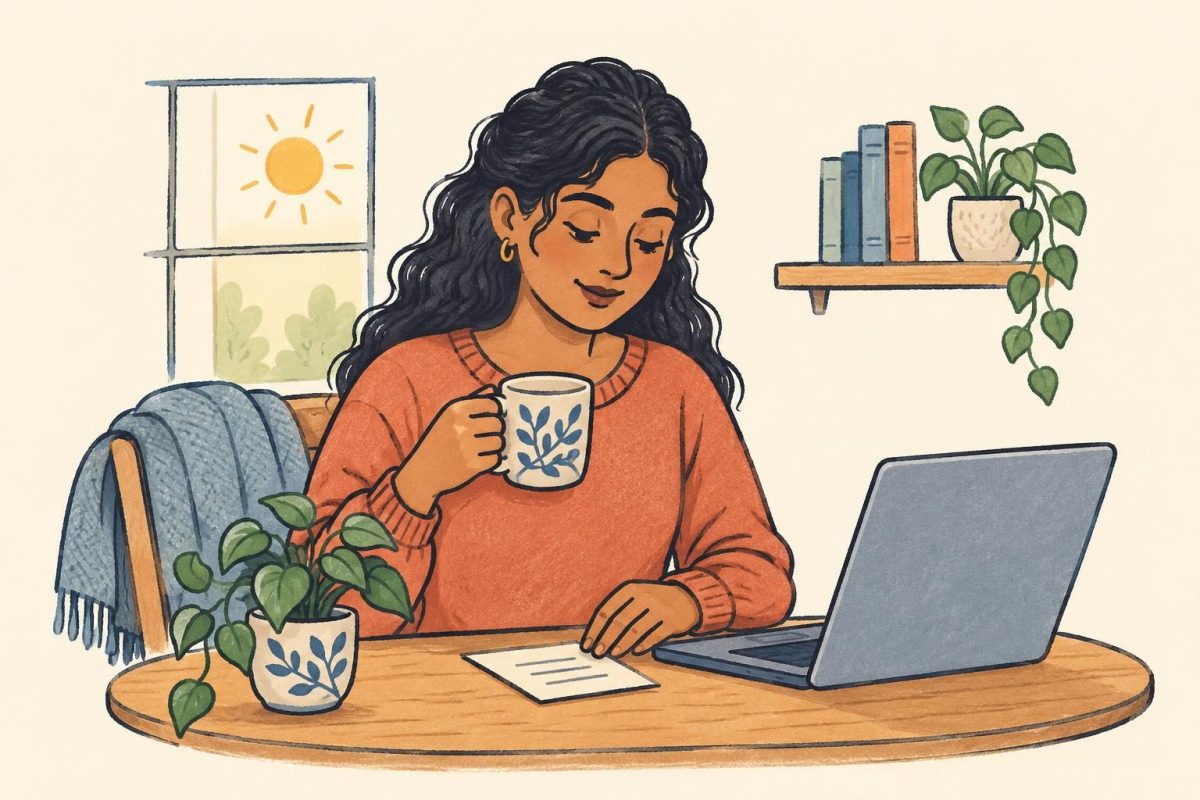
Booking a first therapy session can take a lot of courage. Then, once it is in the diary, a new set of worries can arrive. What if I freeze? What if I cry? What if I do not know what to say? If you are feeling some of this, you are in good company. Many people feel nervous before their first session, and therapists are used to meeting people who feel unsure.
This article is not about the structure of a first session or setting up your room. Instead, it focuses on the feelings around starting, and on small, practical things that can help you feel a little more settled before, during and after.
Why first-session nerves are so common
Starting therapy means talking about personal things with someone you have not met. That is unusual in everyday life, so it makes sense that your mind and body react to it. You might notice a racing heart, a tight stomach, trouble sleeping the night before, or a strong urge to cancel.
None of this means you are not ready for therapy, or that therapy is wrong for you. It often just means the thing you are doing matters to you. Some people also worry about being judged, about saying something "wrong", or about being a burden. These are very human worries, and they are often exactly the kind of thing therapy can help with over time.
It can help to remind yourself that a first session is a starting point, not a test. There is nothing you need to get right.
In the days before: small things that help
You do not need to prepare a speech. A few light steps can take some of the pressure off.
- Jot down a few notes. A handful of words on a piece of paper or your phone is enough. For example: "Not sleeping", "Arguments at home", "Feeling flat since the summer". You can glance at these if your mind goes blank.
- Think about what you would like to be different. It does not have to be precise. "I want to feel less on edge" or "I want to understand why I keep doing this" is a perfectly good starting place.
- Do a quick check of your device. Charging it and making sure your camera and microphone work can stop technical worries from adding to nerves. Keep it brief so it does not become another thing to fret about.
- Plan something gentle for afterwards. A walk, a cup of tea, a quiet half hour. Knowing you have some breathing space can make the session feel less daunting.
If you notice the urge to cancel, try to pause before acting on it. You might ask yourself what you are most worried about. Sometimes naming the fear, even just to yourself, makes it feel more manageable.
If you are worried about not knowing what to say
This is one of the most common worries of all. The good news is that it is the therapist's job to help the conversation along, especially at the start. Most therapists will ask open questions such as "What brought you here?" or "How have things been for you lately?"
It is completely fine to say things like:
- "I'm not really sure where to start."
- "I feel quite nervous about this."
- "There's a lot going on and it feels jumbled."
- "I'm not ready to talk about some things yet."
Saying how you feel in the moment is often a helpful way in. You can also go at your own pace. You do not have to share your whole story in one go, and you can tell the therapist if a question feels like too much right now.
If you cry, that is okay too. Therapists are used to tears, and many people find their feelings come up more than they expected. You can take a moment, have a drink of water, or ask to slow down.
The first few minutes on screen
The opening moments of a video call can feel a little awkward, even in ordinary life. There may be a short delay, or you might both start talking at once. This usually settles quickly.
Early on, the therapist will often explain how they work and talk through practical matters, such as how long sessions last and what happens if a session is missed. They may ask some background questions about your health, your circumstances and any support you already have. Some therapists also ask gently about your safety, including whether you ever have thoughts of harming yourself. This is a routine part of getting to know someone and helps them support you well. You can answer honestly without worrying that it will cause alarm.
If you find yourself feeling tense, a few small things can help:
- Notice your feet on the floor and your back against the chair.
- Breathe out slowly, a little longer than you breathe in.
- Keep a glass of water or a warm drink nearby.
- Hide your own video preview if seeing yourself on screen feels distracting, if your device allows it.
Questions you might want to ask
A first session is also a chance for you to get a sense of the therapist and how they work. You are allowed to ask questions. You might want to know:
- What approach they use and what a typical session might look like.
- How they usually work with the kind of difficulties you are facing.
- How you will review together whether therapy is helping.
- What happens if the video connection drops during a session.
- How to get in touch between sessions if you need to change an appointment.
If you forget to ask something, you can bring it up next time. There is no rush.
After the session: what you might feel
People feel all sorts of things after a first session. Some feel lighter or relieved. Others feel tired, emotional or a bit unsettled, especially if they talked about things they do not usually say out loud. Some feel very little and wonder whether anything happened at all. All of these reactions are common.
Because online sessions happen at home, there is no journey back to help you transition. It can help to build in a small gap before going back to work, chores or other people. Some ideas:
- Step outside for a few minutes or open a window.
- Write down anything that stood out, or a question for next time.
- Do something soothing and ordinary, like making food or listening to music.
- Be kind to yourself about how it went. A first session does not need to feel profound to be worthwhile.
If you came away with mixed feelings about the therapist, it is worth giving it a little time, as it can take a few sessions to settle in. That said, if something felt clearly uncomfortable, you can raise it with them or consider trying someone else.
Looking after yourself along the way
Therapy is a process, and the first session is just the beginning. It is normal for things to feel a bit uncertain at the start. If you have physical symptoms, or concerns about medication or your general health, it is a good idea to speak to your GP alongside therapy.
Please keep in mind that online therapy is not an emergency service. If you ever feel unsafe or unable to keep yourself safe, in the UK you can call 999 in an emergency, call NHS 111 for urgent advice, or contact Samaritans free on 116 123 at any time, day or night.
If you are thinking about taking that first step, WebcamTherapy lets you book a registered therapist for a private video session from home, at a time that suits you. However you begin, feeling nervous is not a sign you are doing it wrong. It is often a sign that you are starting something that matters.
WebcamTherapy editorial team
Our articles are reviewed by registered therapists before publishing.
Related articles
Online therapy
What to expect from your first online therapy session
Feeling nervous before your first video session with a therapist is completely normal. Here is a calm, practical guide to what usually happens before, during and after that first appointment.
10 Nov 2026 · 7 min read
Online therapy
Therapy when you live with a chronic illness or disability
Living with a long-term health condition or disability can affect your mood, relationships and sense of self. Here is how therapy can help, and how to make it work around your body and energy.
18 May 2024 · 7 min read
Online therapy
Online therapy when you live in a rural or remote area
Long drives, few local options and the feeling that everyone knows your business can make therapy hard to reach in the countryside. Here is how online sessions can help, and what to think about first.
16 Dec 2023 · 7 min read