Online therapy
Is online therapy as effective as face-to-face therapy?
Many people wonder whether talking to a therapist through a screen can really help as much as sitting in the same room. Here is what the evidence generally suggests, and how to decide what suits you.
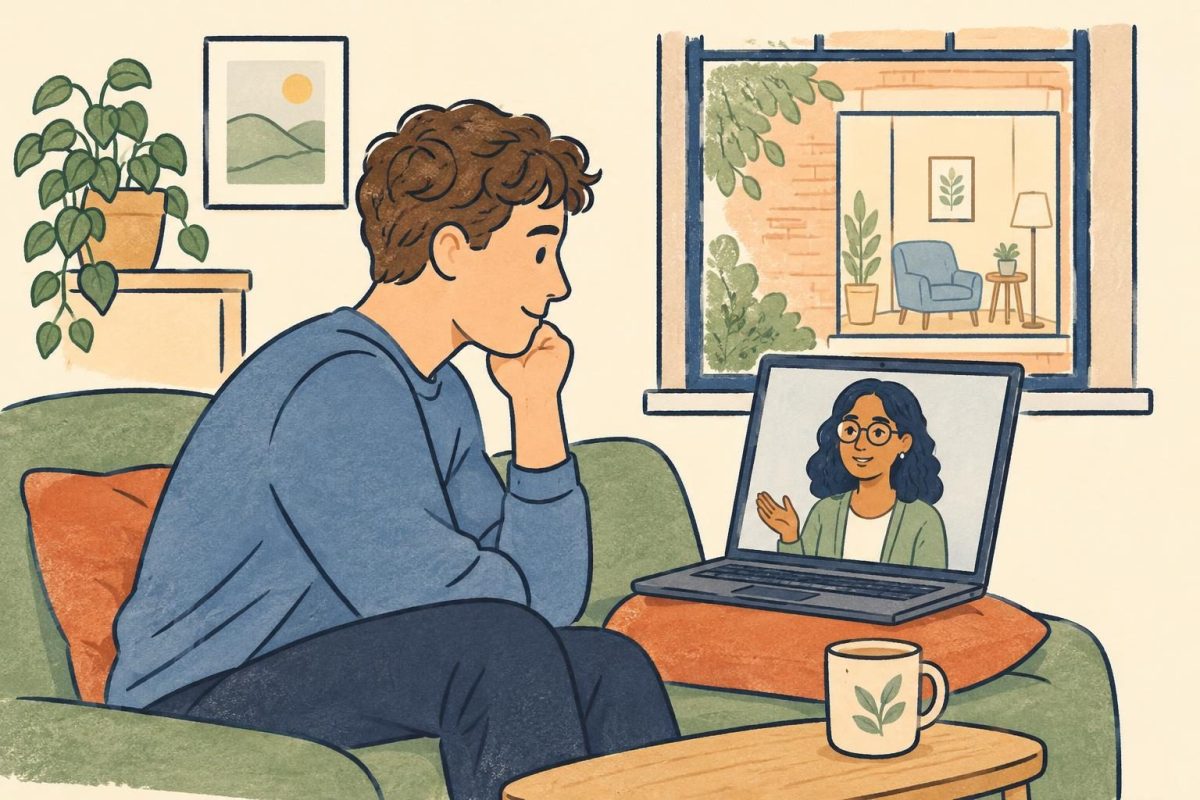
If you are thinking about therapy, you may have a quiet worry at the back of your mind: will it really work if the therapist is on a screen? It is a fair question. Therapy is personal, and it can feel strange to imagine sharing difficult things through a laptop or phone.
This article looks at what is generally known about online therapy compared with face-to-face sessions, what seems to make therapy helpful in either format, and how you might decide which is right for you.
The short answer
For many people and many common difficulties, research suggests that therapy by video can be about as helpful as therapy in a room. This has been studied most for problems such as anxiety, depression and stress, and for approaches such as cognitive behavioural therapy (CBT), a structured talking therapy that looks at the links between thoughts, feelings and behaviour.
That does not mean online therapy is the best choice for everyone, or that it will work in every situation. No form of therapy helps every person. But the screen itself does not seem to be the thing that decides whether therapy helps.
What the research generally suggests
Researchers have compared video therapy with in-person therapy for some years, and interest grew a great deal when many services moved online out of necessity. Across many of these studies, people who had therapy by video tended to improve in similar ways to people who had therapy in person.
A few points are worth keeping in mind when you read about this research:
- "Online therapy" covers different things. Live video sessions with a therapist are not the same as self-help apps, email exchanges or computer programmes you work through alone. This article is about live, one-to-one video sessions.
- Results apply to groups, not individuals. A study can show that, on average, two formats lead to similar outcomes. It cannot tell you exactly how you personally will find it.
- Some areas have less research. There is more evidence for some conditions and approaches than others. For more complex or severe difficulties, it is especially worth talking things through with your GP or a registered professional.
In short, the evidence is encouraging, but it is best read as "video therapy is a genuine option for many people" rather than "video therapy is guaranteed to work".
Why the relationship matters more than the room
One of the most consistent ideas in therapy research is that the relationship between you and your therapist matters a lot. Therapists sometimes call this the therapeutic alliance. It means feeling understood, trusting the person you are working with, and agreeing on what you are working towards.
Many people worry that this connection will be harder to build through a screen. Some do find it takes a session or two longer to settle in. But research suggests that, for many clients, the sense of connection with a therapist by video is similar to what people describe in person.
Some people even find it easier to open up online. Being in your own space, rather than a waiting room or unfamiliar office, can make it feel less exposing. Others prefer the feeling of being physically in the room with someone. Neither reaction is wrong. What matters is whether you feel safe and heard with your therapist.
Where online therapy can have advantages
Beyond effectiveness, there are practical reasons why some people find video therapy suits them well. These can make it easier to start and to keep going, which is important, because therapy often helps most when you can attend regularly.
- No travel. You do not need to fit a journey around work, childcare or other commitments.
- More choice of therapist. You are not limited to people who practise near you, so you can look for someone whose approach, experience or availability suits you.
- Comfort and privacy. Some people feel calmer talking from somewhere familiar, and there is no chance of bumping into someone you know in a waiting room.
- Access when leaving home is hard. For people living with anxiety, physical health conditions, disability or caring responsibilities, video sessions can remove a real barrier.
- Continuity. If you move house, travel for work or have a period of illness, it may be easier to keep seeing the same therapist.
When face-to-face might suit you better
Online therapy is not the right fit for everyone, and it is fine to prefer meeting in person. You might want to think carefully, or speak to your GP or a therapist, if any of these apply:
- You have no private space. If you share a home where you might be overheard, or where it would not feel safe to talk openly, video sessions can be difficult. Some people use a parked car or a quiet room elsewhere, but this does not work for everyone.
- You are in crisis or at high risk. If you are having thoughts of ending your life, are at risk of harming yourself, or are in an unsafe situation, you may need more immediate or more intensive support than weekly video sessions can offer.
- Technology adds a lot of stress. If a poor connection or unfamiliar devices would leave you more anxious than the session itself, in-person therapy may feel easier.
- You simply connect better in person. Some people find screens tiring or distracting. Your preference is a valid reason in its own right.
Some therapists also offer a mix of in-person and video sessions, which can give you flexibility.
Online therapy is not an emergency service. If you are in immediate danger, call 999. For urgent help that is not an emergency, call NHS 111. You can contact Samaritans free on 116 123, at any time of day or night.
Getting the most from video sessions
If you decide to try therapy online, a few simple steps can help it feel as natural and useful as possible.
- Find a private, quiet spot. Somewhere you will not be interrupted, ideally with a door you can close. Headphones can help with privacy.
- Check your set-up beforehand. Make sure your device is charged, your camera and microphone work, and your connection is reasonably stable.
- Give yourself a buffer. It can help to take a few minutes before and after the session, rather than jumping straight in from work or straight back to chores. A short walk or a cup of tea afterwards can help you move back into your day.
- Turn off notifications. Close other tabs and put your phone on silent so you can stay present.
- Tell your therapist how it feels. If something about the video format is not working for you, say so. A good therapist will welcome this and can often adjust things.
- Give it a little time. The first session can feel awkward, online or in person. It is often worth trying a few sessions before deciding whether it suits you.
Choosing what is right for you
When deciding between online and face-to-face therapy, it may help to ask yourself a few questions:
- Where would I feel most able to speak openly?
- What would make it easiest for me to attend regularly?
- Do I have a private space at home, or nearby, that I could use?
- Is my main priority choice of therapist, convenience, or being physically in the room?
Whichever format you choose, it is worth checking that your therapist is registered with a recognised professional body, such as BACP, NCPS or UKCP. Registration means they have met training standards and follow a code of ethics. The format matters far less than finding a qualified therapist you feel comfortable with.
If you would like to try therapy by video, you can book a private session with a registered therapist through WebcamTherapy, with sessions taking place securely in your browser. And if you are unsure what kind of support you need, your GP can be a good place to start the conversation.
Wherever and however you talk, reaching out for support is a meaningful step. The most important thing is finding an arrangement that helps you feel safe enough to begin.
WebcamTherapy editorial team
Our articles are reviewed by registered therapists before publishing.
Related articles
Online therapy
What to expect from your first online therapy session
Feeling nervous before your first video session with a therapist is completely normal. Here is a calm, practical guide to what usually happens before, during and after that first appointment.
10 Nov 2026 · 7 min read
Online therapy
Therapy when you live with a chronic illness or disability
Living with a long-term health condition or disability can affect your mood, relationships and sense of self. Here is how therapy can help, and how to make it work around your body and energy.
18 May 2024 · 7 min read
Online therapy
Online therapy when you live in a rural or remote area
Long drives, few local options and the feeling that everyone knows your business can make therapy hard to reach in the countryside. Here is how online sessions can help, and what to think about first.
16 Dec 2023 · 7 min read