Depression & low mood
Winter and your mood: understanding seasonal changes and caring for yourself
Shorter days can leave many people feeling flat, tired or withdrawn. Here is a gentle guide to why the seasons can affect mood, what seasonal affective disorder is, and practical ways to look after yourself through winter.
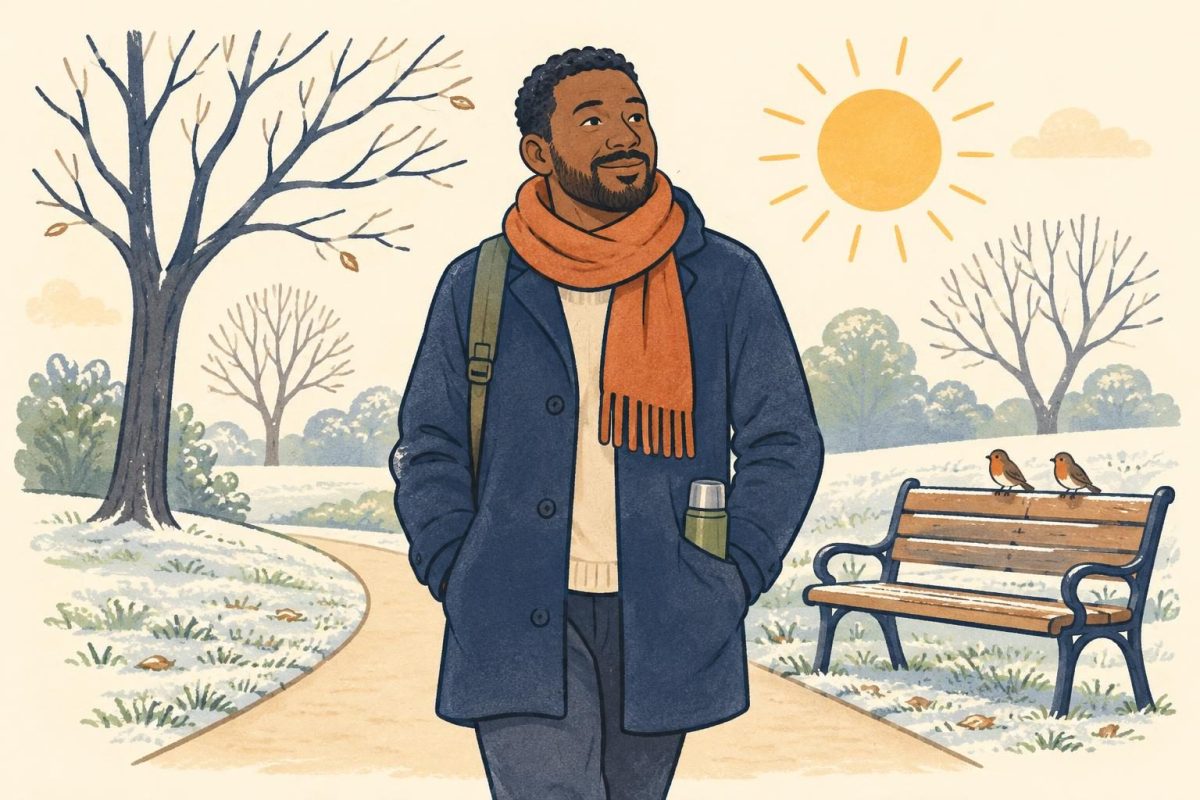
When the clocks go back and the evenings draw in, many people notice a change in how they feel. You might find it harder to get up in the morning, feel less like seeing friends, or simply sense a heaviness that was not there in summer. If this sounds familiar, you are far from alone.
This article looks at why the seasons can affect mood, what seasonal affective disorder is, and the everyday things that can help you through the darker months. It is general information rather than advice about your own situation, so if you are worried about how you are feeling, it is always worth talking to your GP or a registered therapist.
Why winter can affect how you feel
In the UK, winter days can be short and grey. Many people leave home in the dark and come back in the dark, especially if they work indoors. Less daylight is thought to affect the body clock, the internal rhythm that helps regulate sleep, energy and appetite. Light also plays a part in the body's production of hormones linked to sleep and mood.
The exact reasons some people are affected more than others are not fully understood. What is clear is that it is not a sign of weakness or a lack of effort. Bodies and minds respond to the environment, and winter brings real changes.
Other things often pile up at this time of year too:
- Cold or wet weather can make it harder to get outside or stay active.
- Money worries can rise with heating bills and the cost of the festive season.
- Christmas and New Year can bring pressure, loneliness or painful memories for some people.
- Illnesses such as colds and flu are more common, which can leave you run down.
The winter blues and seasonal affective disorder
Many people feel a little lower or more sluggish in winter. This is sometimes called the "winter blues". It tends to be mild, and you can usually carry on with daily life, even if things feel a bit harder.
For some people the change is stronger. Seasonal affective disorder, often shortened to SAD, is a type of depression that comes and goes in a seasonal pattern. It is sometimes called "winter depression" because, for most people who have it, symptoms start in autumn or winter and ease in spring. Less commonly, some people experience it in summer instead.
Signs that people with SAD often describe include:
- a persistent low mood that lasts most of the day
- losing interest or pleasure in things you usually enjoy
- feeling irritable, tearful or hopeless
- feeling tired and lacking energy, even after rest
- sleeping for longer than usual and finding it hard to wake
- craving carbohydrates or sugary food, and sometimes gaining weight
- finding it harder to concentrate
- wanting to withdraw from other people
Having one or two of these on a dark day does not mean you have SAD. It is the pattern that matters: whether these feelings are lasting, affecting your daily life, and returning around the same time each year. Only a GP or qualified professional can assess this properly.
Practical ways to look after yourself in winter
Small, steady habits often help more than big changes. You do not need to do all of these. Choose one or two that feel manageable and build from there.
Make the most of daylight
Try to get outside during the brightest part of the day, even for a short walk at lunchtime. Natural light outdoors is usually much brighter than indoor lighting, even on a cloudy day. At home or work, sitting near a window can help. Opening the curtains as soon as you wake is a simple way to start the day with light.
Keep moving gently
Physical activity is widely recognised as good for mood. It does not have to be intense. A brisk walk, some stretching, dancing in the kitchen or a short exercise video all count. If you can combine movement with being outdoors, you get the benefit of daylight too.
Keep a steady routine
When it is dark, it can be tempting to stay in bed longer or let the day drift. Getting up and going to bed at roughly the same times, and eating regular meals, can give your body clock some structure. Planning one small thing to look forward to each day can also help.
Eat in a way that supports your energy
Cravings for comfort food are common in winter, and enjoying them is fine. Alongside them, try to include regular meals with vegetables, fruit and wholegrains, and drink enough water. Alcohol can feel like a quick lift but often leaves mood lower afterwards.
In the UK, government health advice is that everyone should consider taking a daily vitamin D supplement of 10 micrograms during autumn and winter, because we get very little from sunlight at this time of year. This advice is about keeping bones and muscles healthy rather than treating low mood. If you have questions about supplements, a pharmacist or GP can help.
Stay connected
Low mood often makes people want to hide away, and winter makes that easier. Try to keep some contact going, even if it is small: a message to a friend, a phone call, a coffee with a neighbour. Connection does not need to be about talking through problems. Simply spending time with others can lift the weight a little.
Be kind to yourself
Winter is a natural time to slow down. If you have less energy, it may help to lower your expectations a little rather than pushing yourself to keep the same pace as summer. Notice self-critical thoughts such as "I should be coping better" and try to speak to yourself as you would to a friend.
What about light therapy?
You may have heard of light boxes, sometimes called SAD lamps. These give off a bright light designed to mimic daylight, and people usually sit near one for a period each morning. Some people with SAD find them helpful, though research findings are mixed and they do not work for everyone.
If you are thinking about trying one, it is sensible to speak to your GP first, particularly if you have an eye condition, take medicines that make you sensitive to light, or have a history of bipolar disorder. A light box is not a substitute for proper support if your mood is very low.
How talking therapy can help
Seasonal depression is generally treated in a similar way to other types of depression. In the UK, talking therapies such as cognitive behavioural therapy (CBT) are among the options commonly offered. A GP may also talk with you about other treatments, including medication, depending on your situation.
Therapy can give you space to understand what happens to you as the seasons change. A therapist might help you to:
- notice early warning signs, so you can act before low mood takes hold
- plan ahead for the months you find hardest
- work with unhelpful thought patterns, such as dreading winter before it arrives
- gently build back activities that give you a sense of pleasure or achievement
- explore other things that may be feeling heavier, such as grief, stress or loneliness
Some people find it useful to start therapy in early autumn, before their mood usually dips. Others begin when they notice they are struggling. There is no wrong time to reach out.
When to seek support
It is a good idea to speak to your GP or a registered therapist if:
- your low mood has lasted for more than a couple of weeks
- it is affecting your work, relationships or ability to look after yourself
- you notice the same pattern returning each winter
- self-care alone does not seem to be making a difference
If you ever feel unable to keep yourself safe, or have thoughts of ending your life, please get help straight away. Online therapy is not an emergency service. In the UK you can call 999 in an emergency, call NHS 111, or contact Samaritans free at any time on 116 123.
Getting through the darker months
Winter does not last forever, and the days do begin to lengthen again. Until then, small acts of care, such as a daily walk, a steady routine and staying in touch with people, can make a real difference. If you would like more support, WebcamTherapy lets you book a private video session with a therapist registered with BACP, NCPS or UKCP, from somewhere warm and familiar at home. However you choose to look after yourself this winter, you deserve support and patience.
WebcamTherapy editorial team
Our articles are reviewed by registered therapists before publishing.
Related articles
Depression & low mood
Postnatal depression and anxiety: you are not alone
Feeling low, worried or not like yourself after having a baby is more common than many people realise. Here is how to recognise postnatal depression and anxiety, and the kinds of support that can help.
29 Aug 2025 · 7 min read
Depression & low mood
Low mood or depression? How to tell the difference and when to seek support
Everyone has low days, but sometimes a heavy mood settles in and does not lift. Here is a gentle guide to the difference between low mood and depression, and when it may help to talk to someone.
16 Jul 2023 · 7 min read
Therapy explained
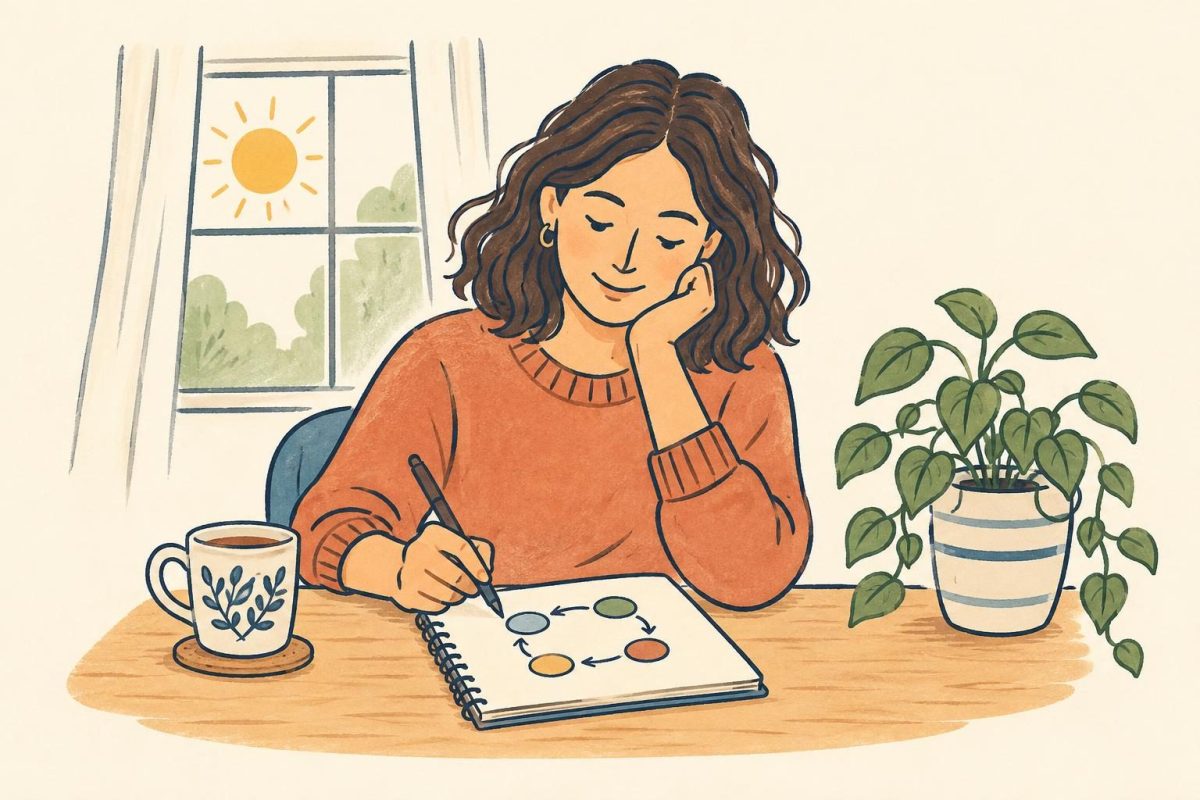
How CBT works: the links between thoughts, feelings and behaviour
Cognitive behavioural therapy is built on a simple idea: what we think, how we feel and what we do all affect each other. Here is how that cycle works, and how CBT helps you change it.
10 Nov 2026 · 7 min read