Depression & low mood
Low mood or depression? How to tell the difference and when to seek support
Everyone has low days, but sometimes a heavy mood settles in and does not lift. Here is a gentle guide to the difference between low mood and depression, and when it may help to talk to someone.
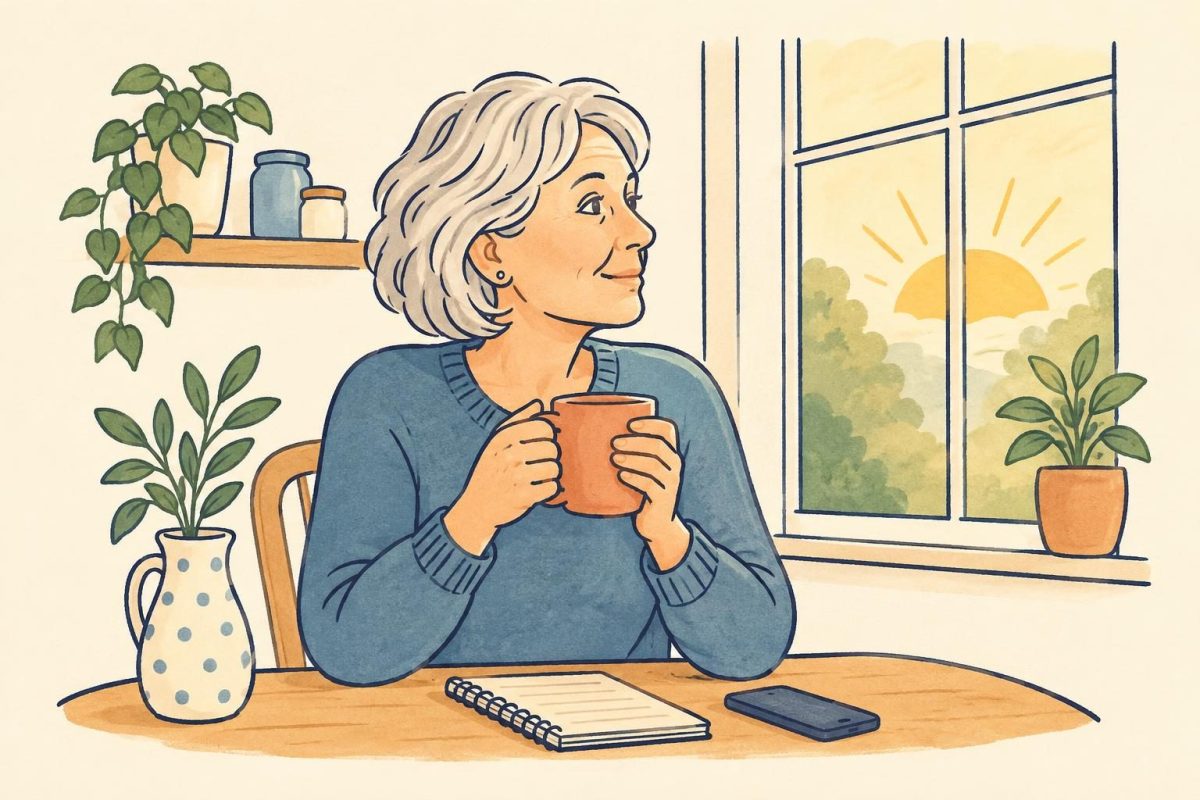
Most of us know what it feels like to have a flat or heavy day. You might feel tired, tearful or fed up, and things that normally feel easy take more effort. Often this passes after a good night's sleep, a chat with a friend or a change in circumstances.
Sometimes, though, a low mood hangs around. It starts to colour everything, and you may wonder whether it is "just a bad patch" or something more. This article explains the difference between low mood and depression in general terms, and when it may be worth reaching out for support. It cannot diagnose you, but it may help you make sense of what you are feeling and decide on a next step.
What low mood usually looks like
Low mood is a normal part of being human. It is often a response to something that has happened, such as stress at work, money worries, a falling-out, an illness, poor sleep or a disappointment. It can also arrive without an obvious reason.
When you have low mood, you might:
- feel sad, flat, irritable or more emotional than usual
- feel tired or lacking in motivation
- worry more, or find it harder to concentrate
- want to spend more time alone
The key thing about low mood is that it tends to come and go. You may still enjoy some things, laugh at a joke or feel a bit better after doing something you like. It usually eases within days or a couple of weeks, especially once the cause is easing or you have had some support.
What depression can look like
Depression is a recognised mental health condition. It is more than feeling sad, and it is not a sign of weakness or something you can simply "snap out of". It can affect your thoughts, feelings, body and behaviour, and it can make everyday life feel very hard.
Common signs of depression include:
- a low or empty mood most of the day, nearly every day
- losing interest or pleasure in things you usually enjoy
- feeling hopeless, worthless or very guilty
- changes in sleep, such as waking very early or sleeping much more than usual
- changes in appetite or weight
- feeling exhausted, or moving and thinking more slowly
- finding it hard to concentrate or make decisions
- pulling away from friends, family or activities
- thoughts that life is not worth living, or thoughts of harming yourself
Depression can range from mild to severe. A person with mild depression may still be getting to work and seeing people, but everything feels like a struggle. A person with more severe depression may find it hard to get out of bed, look after themselves or see any way forward.
The main differences to look out for
Low mood and depression share many of the same feelings, so it can be hard to tell them apart. It can help to think about four things.
How long it lasts
Low mood usually lifts within a short time. If you have felt low most of the day, nearly every day, for more than two weeks, that is a sign it may be more than a passing dip.
How strong it feels
With low mood, you can usually still find moments of relief. With depression, the heaviness can feel constant, and good news or pleasant things may barely register.
How much it affects daily life
Notice whether your mood is getting in the way of work, study, looking after yourself, caring for others or keeping in touch with people. When ordinary tasks start to feel impossible, it is worth taking seriously.
How you see yourself and the future
Depression often brings harsh thoughts, such as "I am a failure" or "nothing will ever change". These thoughts can feel like facts, even when they are not. Feeling hopeless about the future is an important sign to talk to someone.
Gentle things that can help with low mood
If your mood is low but you are still managing, small, practical steps can make a difference. They will not fix everything, and they are not a replacement for support if you need it, but many people find them helpful.
- Keep a simple routine. Getting up and going to bed at similar times, and eating regular meals, can give your days some shape.
- Move a little. A short walk, some stretching or time outdoors can lift your energy, even if you do not feel like it at first.
- Stay connected. A message or a short call with someone you trust can ease the sense of being alone with it.
- Do one small thing you used to enjoy. Keep it manageable, such as ten minutes of music, gardening or reading.
- Go easy on alcohol. It can feel like it helps in the moment, but it often makes mood and sleep worse.
- Be kind to yourself. Try talking to yourself the way you would talk to a friend who was struggling.
If you try these things and your mood does not improve, or you cannot find the energy to try them at all, that is not a failure. It may simply be a sign that you need more support.
When to seek support
You do not need to wait until things are very bad before asking for help. It is reasonable to seek support whenever you feel you would like it. That said, it is a good idea to speak to your GP or a registered professional if:
- you have felt low or lost interest in things for more than two weeks
- your mood is affecting your work, relationships or ability to look after yourself
- you are sleeping or eating very differently from usual
- you are relying more on alcohol or other substances to cope
- you feel hopeless or keep thinking that things will never get better
- people close to you have said they are worried about you
- you have had depression before and notice the signs coming back
Your GP can talk through what is going on, check for any physical causes, such as thyroid problems or side effects of medication, and explain the options available to you. These may include talking therapy, medication, or a mix of the two. In England, you can also often refer yourself to NHS talking therapy services without going through your GP.
If it feels hard to know what to say, it can help to jot down a few notes beforehand: how long you have felt this way, what has changed, and how it is affecting your days.
How talking therapy can help
Talking therapy gives you a private space to explore what you are going through with a trained professional who will listen without judging you. NICE recommends talking therapies, such as cognitive behavioural therapy (CBT), counselling and other approaches, as options for many people with depression.
In therapy, you might:
- make sense of what may have led to your low mood
- notice patterns in your thoughts and habits that keep you stuck
- try small, realistic steps to bring more meaning and enjoyment back into your days
- work through difficult experiences, such as loss, stress or relationship problems
- build ways of coping that you can keep using after therapy ends
Therapy does not work in the same way for everyone, and it can take time to feel a change. Finding a therapist you feel comfortable with matters. Some people prefer to start with online sessions because they can talk from somewhere familiar, without the effort of travelling. If that appeals, you can book a registered therapist on WebcamTherapy for a private video session from home.
If you are struggling to stay safe
If you are having thoughts of ending your life or harming yourself, please know that you deserve support right now, and you do not have to cope alone. Online therapy is not an emergency service. In the UK, call 999 if you are in immediate danger, call NHS 111 for urgent advice, or contact Samaritans free on 116 123 at any time, day or night.
Whether you are having a hard week or have felt low for a long time, reaching out is a strong and sensible step. Talking to someone, whether that is a friend, your GP or a therapist, can be the start of feeling more like yourself again.
WebcamTherapy editorial team
Our articles are reviewed by registered therapists before publishing.
Related articles

Depression & low mood
Winter and your mood: understanding seasonal changes and caring for yourself
Shorter days can leave many people feeling flat, tired or withdrawn. Here is a gentle guide to why the seasons can affect mood, what seasonal affective disorder is, and practical ways to look after yourself through winter.
19 Nov 2024 · 7 min read
Therapy explained
How CBT works: the links between thoughts, feelings and behaviour
Cognitive behavioural therapy is built on a simple idea: what we think, how we feel and what we do all affect each other. Here is how that cycle works, and how CBT helps you change it.
10 Nov 2026 · 7 min read

Online therapy
What to expect from your first online therapy session
Feeling nervous before your first video session with a therapist is completely normal. Here is a calm, practical guide to what usually happens before, during and after that first appointment.
10 Nov 2026 · 7 min read