Depression & low mood
Postnatal depression and anxiety: you are not alone
Feeling low, worried or not like yourself after having a baby is more common than many people realise. Here is how to recognise postnatal depression and anxiety, and the kinds of support that can help.
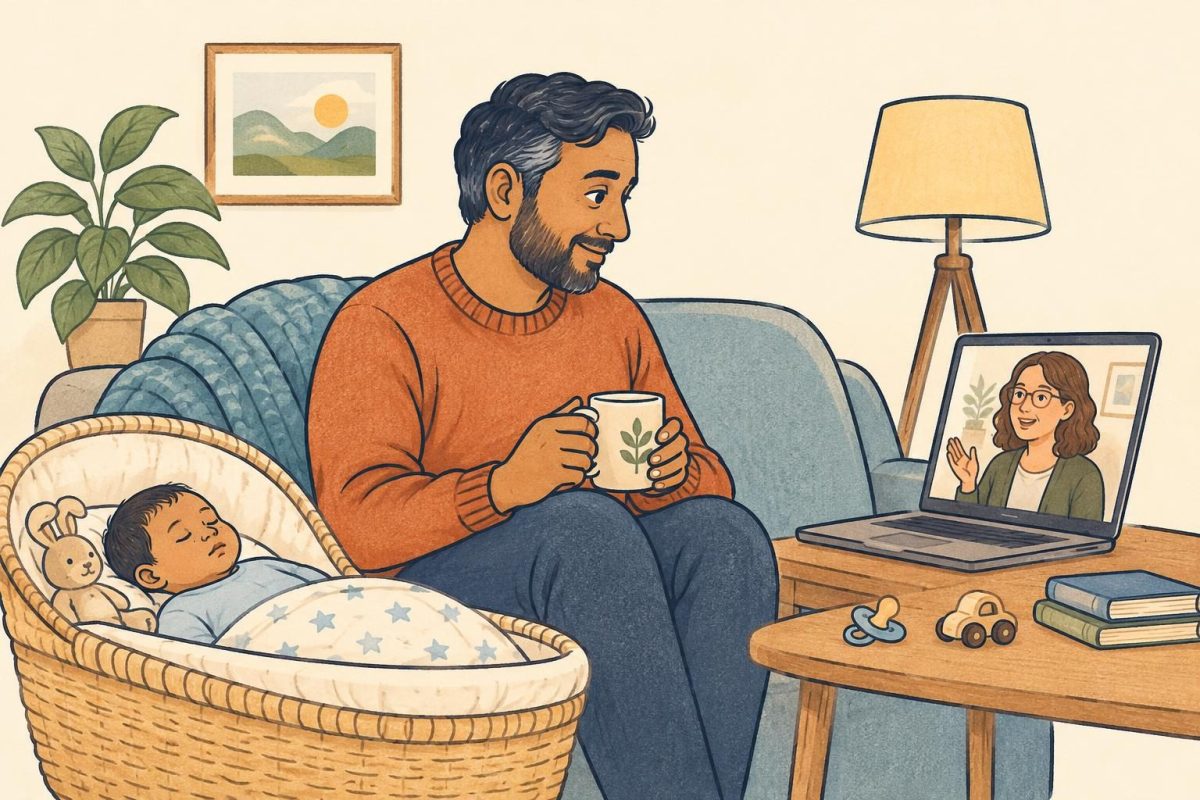
Having a baby is often described as a joyful time, and it can be. But it can also be exhausting, overwhelming and very different from what you expected. If you have been feeling low, anxious or not quite yourself since your baby arrived, you are far from the only one. Postnatal depression and anxiety are common, they are not your fault, and support is available.
This article explains what these experiences can look like, how they differ from the short-lived "baby blues", and what kinds of help people find useful. It is general information, not a diagnosis, so please talk to your GP, midwife or health visitor about how you are feeling.
Baby blues, or something more?
In the first few days after giving birth, many people feel tearful, irritable or emotional. This is often called the baby blues. It usually comes and goes, and tends to settle within about two weeks without any treatment.
Postnatal depression is different. It lasts longer, can feel heavier, and gets in the way of everyday life. It can start at any point in the first year after birth, not only in the early weeks. Sometimes it creeps in gradually, so it can be hard to notice, especially when you are short of sleep and everything feels new.
Postnatal anxiety often appears alongside depression, but it can also happen on its own. Some people feel more worried than sad, and do not realise that anxiety after birth is also something you can get help with.
Common signs to look out for
Everyone's experience is different, but you might notice some of the following for most of the day, on most days, for two weeks or more.
Signs of postnatal depression
- Feeling low, empty or hopeless much of the time
- Losing interest in things you used to enjoy
- Feeling very tired even when you do get some rest, or finding it hard to sleep when the baby sleeps
- Changes in appetite
- Finding it hard to concentrate or make decisions
- Feeling guilty, worthless or like a "bad parent"
- Pulling away from friends and family
- Finding it difficult to feel close to your baby
Signs of postnatal anxiety
- Constant worry, often about the baby's health or safety
- Feeling on edge, restless or unable to switch off
- Physical symptoms such as a racing heart, tight chest, tense muscles or an upset stomach
- Checking things repeatedly, such as whether the baby is breathing
- Unwanted, frightening thoughts that pop into your head
That last point is worth pausing on. Many new parents have sudden, upsetting thoughts about something bad happening to their baby, sometimes even thoughts of harm. These are often called intrusive thoughts. They can feel very distressing, but having them does not mean you want them to happen or that you will act on them. In fact, the distress they cause usually shows how much you care. Talking to a professional about them can bring real relief.
Who can be affected
Postnatal depression and anxiety can affect anyone who has had a baby, whatever their background, and whether it is their first child or their fourth. It is not a sign of weakness, and it does not mean you love your baby any less.
Partners can be affected too. Fathers, co-parents and adoptive parents can also experience depression and anxiety in the months after a baby joins the family. The pressure of sleepless nights, money worries, changes to relationships and a new sense of responsibility can weigh on anyone.
Some things may make it more likely, such as a past experience of depression or anxiety, a difficult pregnancy or birth, little support around you, or other stressful events happening at the same time. But it can also happen when none of these apply. There is no single cause.
Why it can be hard to speak up
Many people stay quiet about how they feel. You might worry that you will be judged, that people will think you cannot cope, or that you are being ungrateful. Social media and well-meaning comments can add to the feeling that everyone else is managing perfectly.
Some parents also fear that if they say they are struggling, their baby might be taken away. It may help to know that health professionals see postnatal depression and anxiety often, and their aim is to support you and your family. Asking for help is a caring, responsible thing to do.
Where to start with support
If you recognise yourself in this article, the first step is to tell someone. That might be:
- Your GP, who can talk through your symptoms and the options available to you
- Your midwife or health visitor, who are used to these conversations and can point you towards local support
- Someone you trust, such as a partner, friend or family member, who can help you take the next step
In England, you can also refer yourself to NHS Talking Therapies for anxiety and depression, and pregnant people and new parents are often prioritised. Some areas have specialist perinatal mental health teams for people who need more support. Your GP can help you find out what is available where you live.
Treatment depends on your situation. For many people, talking therapy is a helpful place to start. NICE guidance recommends psychological therapies, such as cognitive behavioural therapy (CBT) or interpersonal therapy, for depression and anxiety during pregnancy and after birth. For some people, medication may also be an option, and your GP can explain what is safe if you are breastfeeding.
How talking therapy can help
Therapy gives you a regular, private space to talk about what is going on without having to put on a brave face. A therapist will not judge you for how you feel. Depending on the approach, therapy might help you to:
- Make sense of the changes in your life, identity and relationships since the birth
- Notice harsh or anxious thought patterns, such as "I'm failing at this", and find kinder, more balanced ways of seeing things
- Manage worry and intrusive thoughts so they have less of a hold on you
- Process a difficult or frightening birth experience
- Feel more connected to your baby and to the people around you
- Plan small, manageable steps to look after yourself
Therapy does not work in the same way for everyone, and it can take time to find the right therapist and approach. But many people find that simply being heard is a powerful first step.
When you have a young baby, getting to appointments can feel like a huge task. Online therapy can make it easier, because you can join a session from home, perhaps during a nap or while someone else holds the baby. You do not need to have everything sorted or the house tidy. Your therapist will understand if the baby needs you during a session.
Small ways to look after yourself
Self-care will not replace proper support, but small things can help alongside it:
- Lower the bar. Getting through the day is enough. Housework can wait.
- Accept offers of help. If someone offers to cook, hold the baby or do a shop, try saying yes.
- Rest when you can. Even lying down for a short while can help.
- Eat and drink regularly. Simple snacks and water within reach can make a difference.
- Get a little fresh air. A short walk outside, even with the pram, can lift your mood for a moment.
- Connect with others. Talking to other parents, in person or online, can remind you that you are not alone.
If you are in crisis
If you are having thoughts of harming yourself, feel that you cannot go on, or are worried about your safety or your baby's safety, please get help straight away. Online therapy is not an emergency service. In the UK you can call 999 in an emergency, call NHS 111 for urgent advice, or contact Samaritans free on 116 123 at any time, day or night.
Very rarely, some people develop a serious condition called postpartum psychosis, usually in the first few weeks after birth. Signs can include confusion, seeing or hearing things that others do not, or holding unusual beliefs. This needs urgent medical help, so call 999 or NHS 111 if you notice these signs in yourself or someone else.
You deserve support too
Looking after a baby means so much of your attention goes outwards. It is easy to forget that your own wellbeing matters as well. Feeling low or anxious after having a baby is common, it is treatable, and with the right support many people start to feel more like themselves again.
If you would like to talk to someone, your GP, midwife or health visitor is a good place to begin. If you would prefer to see a therapist from home, you can book a private video session with a BACP, NCPS or UKCP registered therapist through WebcamTherapy. Whatever you choose, reaching out is a strong and worthwhile step.
WebcamTherapy editorial team
Our articles are reviewed by registered therapists before publishing.
Related articles

Depression & low mood
Winter and your mood: understanding seasonal changes and caring for yourself
Shorter days can leave many people feeling flat, tired or withdrawn. Here is a gentle guide to why the seasons can affect mood, what seasonal affective disorder is, and practical ways to look after yourself through winter.
19 Nov 2024 · 7 min read
Depression & low mood
Low mood or depression? How to tell the difference and when to seek support
Everyone has low days, but sometimes a heavy mood settles in and does not lift. Here is a gentle guide to the difference between low mood and depression, and when it may help to talk to someone.
16 Jul 2023 · 7 min read
Therapy explained
How CBT works: the links between thoughts, feelings and behaviour
Cognitive behavioural therapy is built on a simple idea: what we think, how we feel and what we do all affect each other. Here is how that cycle works, and how CBT helps you change it.
10 Nov 2026 · 7 min read