Wellbeing
Sleep and mental health: how to break the cycle of poor sleep
Poor sleep and struggling mental health often feed each other. Here is how that cycle works, some gentle changes that may help, and how talking therapy can support better nights.
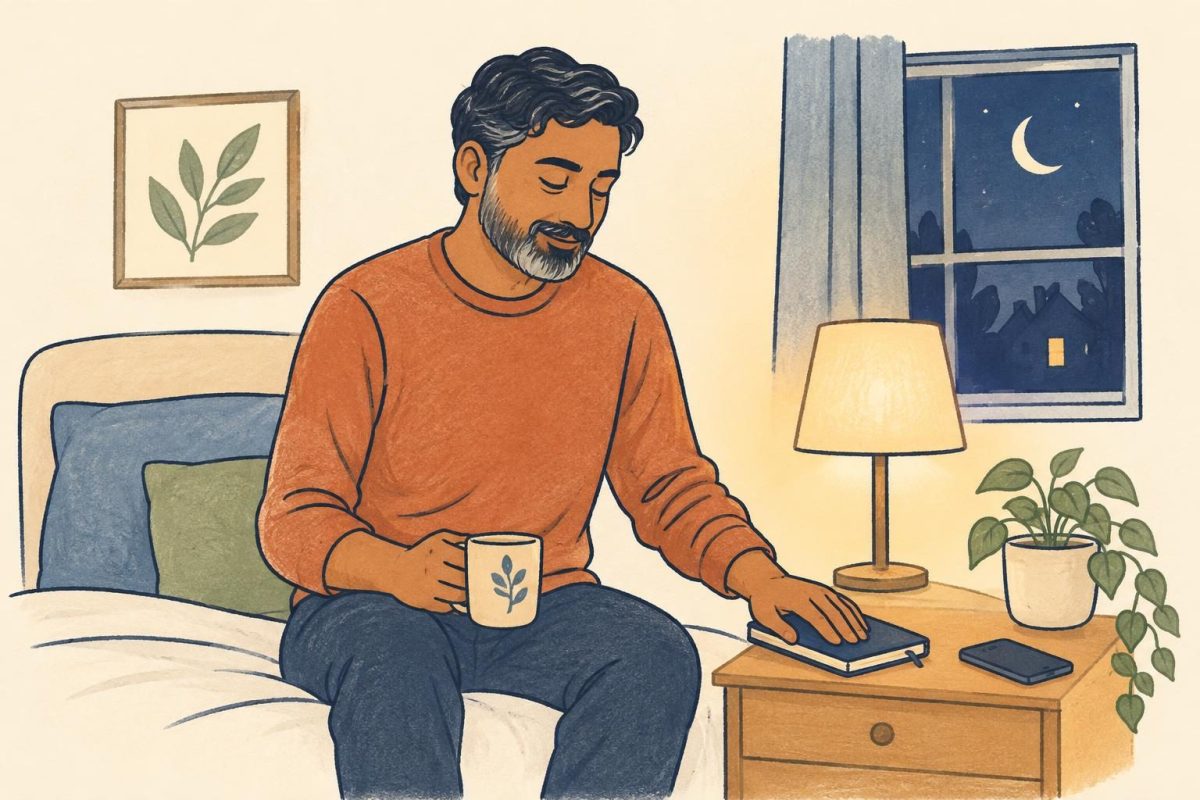
Most of us know how different the world feels after a bad night. Small problems seem bigger, patience runs thin and it is harder to concentrate. When poor sleep goes on for weeks or months, it can start to wear down your mood, your confidence and your ability to cope.
The reverse is also true. Worry, low mood, stress and painful memories can all make sleep harder to come by. This two-way link means sleep problems and mental health difficulties can lock together into a cycle. The good news is that cycles can be loosened, often one small step at a time.
How sleep and mental health affect each other
Sleep is when the body and brain rest, repair and process the day. When you do not get enough good-quality sleep, you may notice:
- feeling more irritable, tearful or on edge
- finding it harder to manage worries or stress
- struggling to focus, remember things or make decisions
- having less energy for the things that usually help you feel better, such as seeing friends or getting outside
At the same time, many mental health difficulties affect sleep. A person with anxiety may lie awake with racing thoughts. A person with depression might wake very early and be unable to drift off again, or might sleep a lot but still feel exhausted. After a frightening or traumatic experience, some people have nightmares or feel too alert to relax at night. Stress and burnout can leave you feeling wired and tired at the same time.
Because each side affects the other, it is not always clear which came first. That does not really matter. What helps is understanding what keeps the cycle going for you.
What keeps the cycle going
When sleep goes wrong, it is natural to try to fix it. Unfortunately, some of the most understandable responses can make things harder in the long run.
Worrying about sleep itself
After a few bad nights, bedtime can start to feel like a test. You might check the clock, calculate how many hours you have left, and worry about how you will cope tomorrow. That worry makes your body more alert, which makes sleep less likely. Over time, the bed itself can become linked with frustration rather than rest.
Trying to catch up
Lying in late, going to bed very early or taking long naps can feel like sensible ways to recover. But they can weaken your natural drive to sleep at night and shift your body clock, so the next night is harder too.
Staying in bed awake
Lying in bed for long periods hoping sleep will come can teach the brain that bed is a place for being awake, thinking and worrying.
Leaning on quick fixes
Extra coffee or energy drinks to get through the day, or a drink of alcohol to wind down, are very common. Caffeine can stay in your system for many hours, and while alcohol may help you fall asleep, it tends to make sleep lighter and more broken later in the night.
None of this is a personal failing. These are normal human responses to feeling tired. Noticing them simply gives you more options.
Gentle changes that may help
There is no single routine that works for everyone, and changes can take a few weeks to make a difference. You might choose one or two ideas to try rather than everything at once.
- Keep a steady wake-up time. Getting up at roughly the same time each day, including weekends, is one of the most helpful things you can do for your body clock, even after a poor night.
- Get daylight in the morning. Light, especially early in the day, helps set your internal clock. A short walk or time by a window can help.
- Create a wind-down period. In the hour before bed, try calmer activities such as reading, a warm shower, gentle stretching or quiet music. Dimming the lights can signal to your body that night is coming.
- Be mindful of screens. Scrolling, emails and news can keep your mind busy. You do not have to give up your phone, but setting it aside a little before bed may help.
- Watch caffeine and alcohol. Try having caffeine earlier in the day and notice how alcohol affects your sleep.
- Make your bedroom comfortable. A cool, dark, quiet room tends to help. Earplugs or an eye mask can be useful if you cannot control noise or light.
- Move during the day. Regular physical activity can support sleep, though some people find vigorous exercise late in the evening keeps them awake.
When your mind will not switch off
For many people, the hardest part is the busy mind at night. A few approaches that some people find useful:
- Set aside worry time earlier. Spend ten or fifteen minutes in the early evening writing down what is on your mind and any next steps. When worries come up at night, you can remind yourself they have a time and place tomorrow.
- Get up if you cannot sleep. If you have been awake for what feels like a long while, try getting up and doing something quiet and dull in low light, then go back to bed when you feel sleepy. This helps your brain relink bed with sleep.
- Turn the clock away. Checking the time often feeds worry. Not knowing can be surprisingly calming.
- Try slow breathing or a body scan. Breathing out slowly, or moving your attention gently through your body, can help calm the nervous system. The aim is rest, not forcing sleep.
It can also help to remind yourself that most people cope better after a poor night than they expect. Taking some of the pressure off sleep often makes it a little easier to come.
How therapy can help with sleep
If poor sleep has become a long-term pattern, talking therapy can help in two main ways.
Working on sleep directly
Cognitive behavioural therapy for insomnia, often called CBT-I, is a structured approach designed specifically for ongoing sleep problems. UK guidance, including from NICE, recommends it as a first treatment to try for long-term insomnia. It usually involves keeping a sleep diary, understanding your own sleep patterns, gently changing habits around bed and sleep, and working with unhelpful thoughts about sleep, such as the belief that one bad night will ruin the next day. Some techniques, like adjusting the time you spend in bed, are best done with guidance from a trained professional, as they can feel tiring at first.
Working on what sits underneath
Sometimes sleep improves as the underlying difficulty is addressed. A therapist can help you explore anxiety, low mood, stress, grief or relationship problems that may be keeping you awake. If nightmares or night-time alertness are linked to trauma, trauma-focused therapies may help. Research suggests that for many people, improving sleep and improving mood support each other, though everyone is different and there are no guarantees.
Therapy also offers something simpler: a space to talk about how exhausting it is to live with poor sleep, without being judged.
When to speak to your GP
It is a good idea to talk to your GP if poor sleep has gone on for several weeks, is affecting your daily life, or you are worried about it. They can check for physical causes and talk through options with you. It is especially worth seeing them if:
- a partner notices you snore loudly, gasp or stop breathing during sleep
- you feel very sleepy during the day, for example when driving
- you have restless or uncomfortable legs at night
- pain, medication or another health condition seems to be affecting your sleep
If you take medication and think it is affecting your sleep, speak to your GP or pharmacist before making any changes.
If low mood and exhaustion ever lead to thoughts of harming yourself or not wanting to be here, please reach out straight away. Online therapy is not an emergency service. In the UK you can call 999 in an emergency, call NHS 111, or contact Samaritans free on 116 123 at any time, day or night.
Taking the first step
Breaking a cycle of poor sleep rarely happens overnight. It is more often a gradual process of small changes, kindness towards yourself on difficult days, and support when you need it. If you would like to talk things through, you can book a private video session with a registered therapist through WebcamTherapy, from a quiet space at home. Wherever you start, better rest is worth working towards, and you do not have to do it alone.
WebcamTherapy editorial team
Our articles are reviewed by registered therapists before publishing.
Related articles
Wellbeing
Perfectionism and self-criticism: how to loosen their grip
Perfectionism can look like high standards from the outside, but it often feels like never being good enough. Here is how it works, why the inner critic is so loud, and gentle ways to ease off.
24 Apr 2025 · 7 min read

Wellbeing
Grief and bereavement: how counselling can support you
Grief can affect your feelings, body, sleep and sense of who you are. This gentle guide explains what grief can look like and how bereavement counselling can offer space to make sense of a loss.
13 Jan 2024 · 7 min read
Therapy explained
How CBT works: the links between thoughts, feelings and behaviour
Cognitive behavioural therapy is built on a simple idea: what we think, how we feel and what we do all affect each other. Here is how that cycle works, and how CBT helps you change it.
10 Nov 2026 · 7 min read