Wellbeing
Grief and bereavement: how counselling can support you
Grief can affect your feelings, body, sleep and sense of who you are. This gentle guide explains what grief can look like and how bereavement counselling can offer space to make sense of a loss.
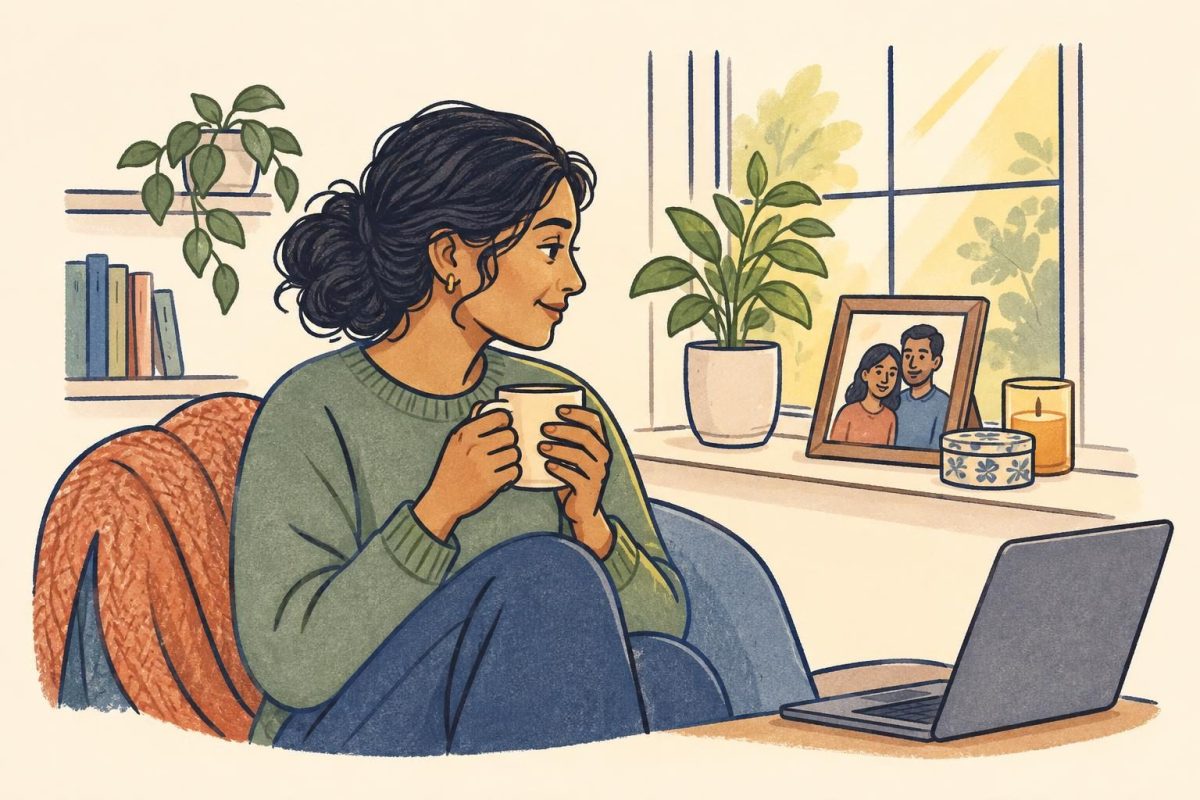
When someone important to you dies, the world can feel different almost overnight. Ordinary things, such as making a cup of tea, answering a message or walking past a familiar place, can suddenly carry a weight they never had before. Grief is one of the most human experiences there is, yet it can also feel very lonely.
This article looks at what grief can be like, why it rarely follows a neat pattern, and how talking to a counsellor can help. It is general information rather than advice about your own situation. If you are worried about how you are coping, your GP or a registered therapist is a good person to talk to.
What grief can feel like
Grief is not just sadness. Many people are surprised by how many different feelings arrive, sometimes all in one day. You might notice:
- Emotional changes, such as deep sadness, numbness, anger, guilt, relief, anxiety or longing.
- Physical effects, such as tiredness, an ache in the chest, changes in appetite, headaches or feeling run down.
- Changes in thinking, such as finding it hard to concentrate, forgetting things, or going over the same memories again and again.
- Changes in behaviour, such as wanting to be alone, keeping very busy, avoiding reminders, or holding on tightly to belongings.
Some people feel the loss most strongly straight away. Others feel fairly calm at first and find the grief arrives weeks or months later, often when the practical tasks are finished and other people have gone back to their routines.
Feelings such as relief or anger can be confusing. If the person was ill for a long time, or your relationship with them was complicated, mixed feelings are very common. They do not mean you loved the person any less.
There is no right way to grieve
You may have heard of the idea that grief comes in stages, such as denial, anger, bargaining, depression and acceptance. Many people find these words helpful for naming what they feel. However, grief does not usually move in a straight line from one stage to the next. It tends to come in waves, and you may find yourself feeling settled one week and overwhelmed the next.
Some people who study grief describe it as moving back and forth between two things: facing the loss, such as crying, remembering and missing the person, and getting on with daily life, such as going to work, sorting paperwork or spending time with friends. Both are part of grieving. Taking a break from the pain is not the same as forgetting.
Many people also find that they do not simply "let go" of the person who died. Instead, they find new ways to stay connected, such as talking to them, keeping traditions alive, or carrying their values forward. This is a normal and often comforting part of grief.
Culture, faith, family and personal history all shape how people grieve. What feels right for one person may feel wrong for another, even within the same family.
Different kinds of loss
Bereavement can happen in many ways, and each brings its own challenges. For example:
- A sudden or unexpected death can leave you in shock, with questions that may never be fully answered.
- A death after a long illness may follow months or years of caring, worry and "anticipatory grief", which means grieving before the person has died.
- The loss of a baby, a child or a young person can feel especially hard to put into words.
- A death by suicide can bring intense feelings of guilt, confusion or anger, and sometimes a sense of isolation.
- Losses that others may not fully recognise, such as the death of an ex-partner, a friend, a colleague or a pet, can leave you feeling you are not allowed to grieve openly.
However the person died, and whoever they were to you, your grief is real and deserves care.
When grief feels hard to carry
For many people, the intensity of grief slowly softens over time, even though the loss is never forgotten. But sometimes grief feels stuck, or it becomes mixed up with other difficulties. You might find it helpful to talk to someone if:
- the pain feels just as raw many months on, and is getting in the way of daily life
- you feel unable to accept that the person has died
- you are avoiding anything that reminds you of them, to the point that your world is shrinking
- you are struggling with strong guilt or blame
- you have very low mood, are sleeping very badly, or have lost interest in most things
- you are relying more on alcohol or other substances to get through
- the death was traumatic and you keep seeing images or reliving moments
Some clinicians use the term prolonged grief to describe grief that stays very intense and disabling for a long time. Only a qualified professional can assess this, so if any of the points above sound familiar, it is worth speaking to your GP or a registered therapist.
Grief can sometimes bring thoughts of not wanting to be here, or of wanting to be with the person who died. If you have these thoughts, please reach out. Online therapy is not an emergency service. In the UK you can call 999 in an emergency, call NHS 111, or contact Samaritans free on 116 123 at any time, day or night.
How bereavement counselling can help
Counselling does not take grief away, and it is not about "moving on" or forgetting. Instead, it offers a regular, private space to be with your loss alongside someone trained to listen without judgement.
Friends and family often want to help, but they may be grieving too, or they may not know what to say. Some people hold back with loved ones because they worry about upsetting them. With a counsellor, you can say the things that feel hard to say elsewhere, including angry, guilty or confusing thoughts.
In counselling, you might:
- Tell the story of the loss in your own words and at your own pace, which can help it start to make sense.
- Talk about the person, including happy memories, difficult ones and what they meant to you.
- Explore feelings such as guilt, regret or unfinished business, and find gentler ways of holding them.
- Notice how grief is affecting your sleep, relationships or work, and think about small ways to look after yourself.
- Adjust to life without them, which might include changes in your role, routine or sense of identity.
- Find ways of staying connected to the person that feel meaningful to you.
Counsellors work in different ways. Some use a person-centred approach, which focuses on listening closely and following your lead. Others may bring in ideas from approaches such as CBT, or, where a death was traumatic, therapies designed to help with distressing memories. A good counsellor will talk with you about what might suit you, and you can always say what does and does not feel helpful.
Is there a right time to start?
There is no fixed rule. Some people want support straight away, especially if the death was sudden or they have no one to talk to. Others prefer to wait until the early weeks of arrangements and visitors have passed. Many people come to counselling months or even years later, sometimes when an anniversary, a new loss or a big life change brings old grief back to the surface.
It can help to remember that you do not need to be "falling apart" to deserve support. Wanting a space to think and feel is reason enough.
Looking after yourself alongside counselling
Between sessions, small and kind steps can make a difference. You might try to keep some simple routines, eat and drink regularly, get outside when you can, and let trusted people know how you are really doing. Some people find it helps to write to the person who died, keep a memory box, or mark special dates in their own way. Others find comfort in faith, community or nature. Go gently, and allow yourself good days without guilt.
If you would like to talk things through, WebcamTherapy lets you book a private video session with a therapist registered with BACP, NCPS or UKCP, from somewhere that feels comfortable to you. Whatever you choose, you do not have to carry your grief entirely on your own.
WebcamTherapy editorial team
Our articles are reviewed by registered therapists before publishing.
Related articles
Wellbeing
Sleep and mental health: how to break the cycle of poor sleep
Poor sleep and struggling mental health often feed each other. Here is how that cycle works, some gentle changes that may help, and how talking therapy can support better nights.
23 Aug 2024 · 7 min read
Therapy explained
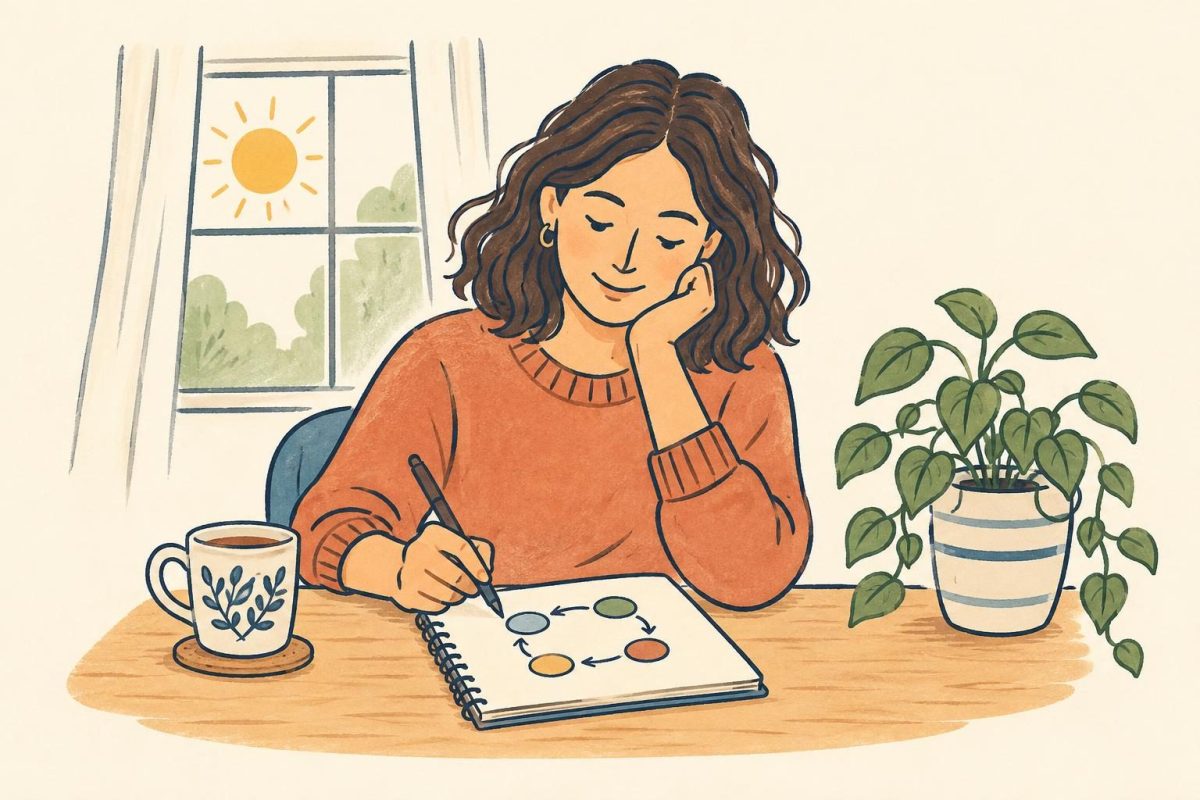
How CBT works: the links between thoughts, feelings and behaviour
Cognitive behavioural therapy is built on a simple idea: what we think, how we feel and what we do all affect each other. Here is how that cycle works, and how CBT helps you change it.
10 Nov 2026 · 7 min read

Online therapy
What to expect from your first online therapy session
Feeling nervous before your first video session with a therapist is completely normal. Here is a calm, practical guide to what usually happens before, during and after that first appointment.
10 Nov 2026 · 7 min read