Wellbeing
Men and mental health: making it easier to ask for help
Many men find it hard to say they are struggling, even to themselves. This guide looks at why that is, how difficulties can show up, and small, practical ways to take a first step towards support.
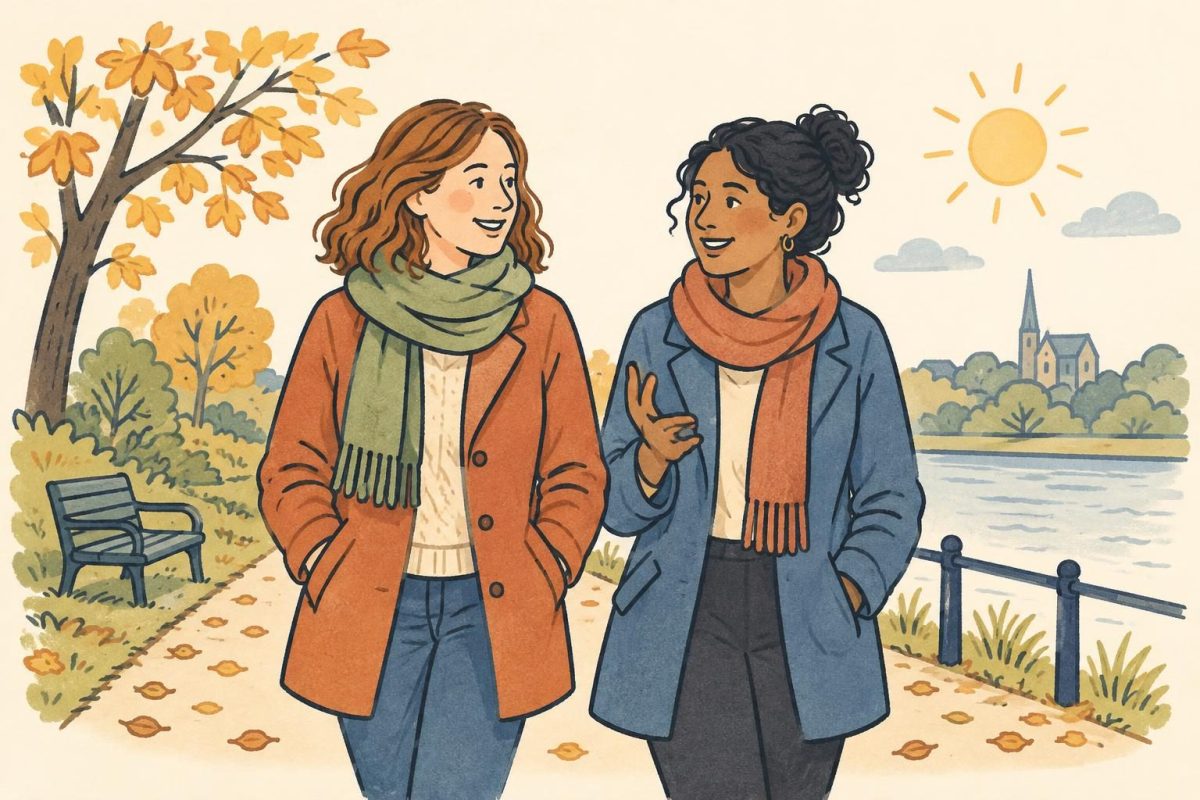
Plenty of men go through long stretches of feeling low, stressed or on edge without saying a word to anyone. Some don't have the words for it. Some don't want to worry the people around them. Others simply assume it will pass if they keep busy and push on.
Sometimes it does pass. But often it doesn't, and carrying it alone can make things heavier. This article looks at why asking for help can feel so hard, how struggling can show up in ways that are easy to miss, and some gentle, practical ways to take a first step.
Why asking for help can feel harder
There is nothing about being a man that makes mental health problems less likely. What often differs is how people are taught to respond to them. Many men grow up hearing messages like these, spoken or unspoken:
- Keep your problems to yourself.
- Be the one others rely on, not the one who needs support.
- If something is wrong, fix it yourself.
- Showing emotion, especially sadness or fear, is a sign of weakness.
These ideas can be well meant. They are often linked to being dependable, strong and capable, which are good things to value. The trouble is that they can leave very little room to say, I'm not OK, and I don't know what to do about it.
There can be practical barriers too. Long working hours, shift patterns, caring for family, or not knowing where to start can all make help feel out of reach. And if you have never talked about your feelings before, the idea of doing it with a stranger can feel awkward or even pointless.
How struggling can show up
Mental health difficulties don't always look like sadness or tears. For many men, the first signs are things that seem unrelated, or that get put down to stress or personality. You might notice:
- Irritability or anger, such as snapping at people, feeling on a short fuse, or getting wound up by small things.
- Pulling away from friends, family or hobbies you used to enjoy.
- Working longer and longer, or staying busy so there is never a quiet moment to think.
- Drinking more, using drugs, gambling or taking more risks than usual.
- Physical symptoms like headaches, stomach problems, tiredness, tense muscles or poor sleep.
- Feeling numb or flat, as if nothing really matters, rather than feeling obviously sad.
- Trouble concentrating or making decisions.
None of these on its own means something is seriously wrong. Everyone has bad weeks. But if several of them have been going on for a while, or are getting in the way of work, relationships or daily life, it is worth taking seriously. A GP or registered professional can help you make sense of what is going on.
Seeing help in a different light
It can help to think about mental health support the way you might think about other kinds of help. If you hurt your knee playing football, you would probably see a physio. If your car made a strange noise, you would take it to a mechanic. Nobody thinks less of you for that. You are dealing with a problem sensibly.
Talking to someone about how you feel works in a similar way. It is a practical step, not an admission of failure. In fact, recognising that something isn't right and doing something about it takes a fair amount of courage.
It can also be worth remembering who else benefits. When you look after your own mental health, you are often better placed to show up for your partner, children, friends and colleagues. Asking for help is not selfish.
Small first steps that can make it easier
You don't have to go from saying nothing to pouring your heart out. Small steps count, and you can go at your own pace.
Talk to one person you trust
This could be a friend, partner, sibling or colleague. You don't need to explain everything. Something as simple as I've been finding things hard lately is enough to open the door.
Many men find it easier to talk side by side rather than face to face, for example while walking, driving, fishing or watching a match. The conversation can feel less intense when you are doing something together.
Write it down first
If you struggle to find the words, try jotting down what you have noticed: how you have been sleeping, what has been on your mind, what feels different from usual. You can use these notes when you talk to someone, including a GP.
Speak to your GP
Your GP can talk through how you are feeling, check for any physical causes, and explain options for support. It is fine to say at the start that you find this kind of conversation difficult. In England, you can also usually refer yourself to NHS Talking Therapies without seeing a GP first. Services in Scotland, Wales and Northern Ireland work a little differently, and your GP surgery can tell you what is available locally.
Look into therapy or counselling
Some people prefer to find a private therapist, either alongside NHS support or instead of it. If you go down this route, it is a good idea to choose someone registered with a recognised professional body such as BACP, NCPS or UKCP.
What therapy can actually be like
Some men put off therapy because they picture something that doesn't suit them: lying on a couch, being made to cry, or talking endlessly about childhood. In reality, therapy can look quite different depending on the person and the approach.
- You set the pace. A good therapist won't push you to talk about anything before you are ready.
- It can be practical. Some approaches, such as CBT, focus on noticing patterns in thoughts and behaviour and trying out new ways of handling them. Many people find this structured style a comfortable starting point.
- It can be about specific problems. You might want help with stress at work, anger, a relationship ending, sleep, or a loss. You don't need a big, complicated reason to go.
- You can choose who you see. Some men feel more at ease with a male therapist, others with a female therapist. It is reasonable to have a preference, and to change therapist if the fit doesn't feel right.
Therapy doesn't work the same way for everyone, and it can take a few sessions to settle in. The first conversation is often mostly about getting to know each other and working out what you want from it.
For some people, having sessions by video from home makes the whole thing easier. There is no waiting room, no travel, and you can talk from somewhere familiar. If that sounds more manageable, you can book a private video session with a registered therapist through WebcamTherapy.
If you are worried about a man in your life
If someone close to you seems to be struggling, you don't need to have all the answers. A few things that can help:
- Choose a relaxed moment, perhaps while doing something together.
- Ask openly, such as How have you really been?, and be ready to ask twice if the first answer is a quick fine.
- Listen more than you talk, and try not to jump straight to solutions.
- Let them know support is available, and offer to help them find it if they want to.
Remember to look after yourself too. Supporting someone else can be tiring.
If things feel very hard right now
If you are having thoughts of ending your life or harming yourself, you are not alone, and help is available straight away. Online therapy is not an emergency service. In the UK, call 999 if you are in immediate danger, call NHS 111 for urgent advice, or contact Samaritans free on 116 123 at any time, day or night.
Whatever you are going through, reaching out is a strong and sensible thing to do. It doesn't have to be a big step. It just has to be the next one.
WebcamTherapy editorial team
Our articles are reviewed by registered therapists before publishing.
Related articles
Wellbeing
Anger: understanding it and learning to respond differently
Anger is a normal human emotion, but it can feel overwhelming or cause problems with the people around you. This guide explains what anger is, what often sits underneath it, and practical ways to respond differently.
1 May 2026 · 7 min read
Wellbeing
Loneliness and isolation: how to start reaching out for support
Loneliness is a common human feeling, but it can be hard to talk about. This guide looks at why it happens, how it can affect you, and gentle ways to start reconnecting with others.
1 Mar 2026 · 6 min read
Wellbeing
Building self-esteem through therapy: how talking can change the way you see yourself
Low self-esteem can quietly shape your choices, relationships and mood. Here is a gentle look at where it comes from, how different therapies work with it, and what change can realistically look like.
23 Jul 2025 · 7 min read