Wellbeing
Loneliness and isolation: how to start reaching out for support
Loneliness is a common human feeling, but it can be hard to talk about. This guide looks at why it happens, how it can affect you, and gentle ways to start reconnecting with others.
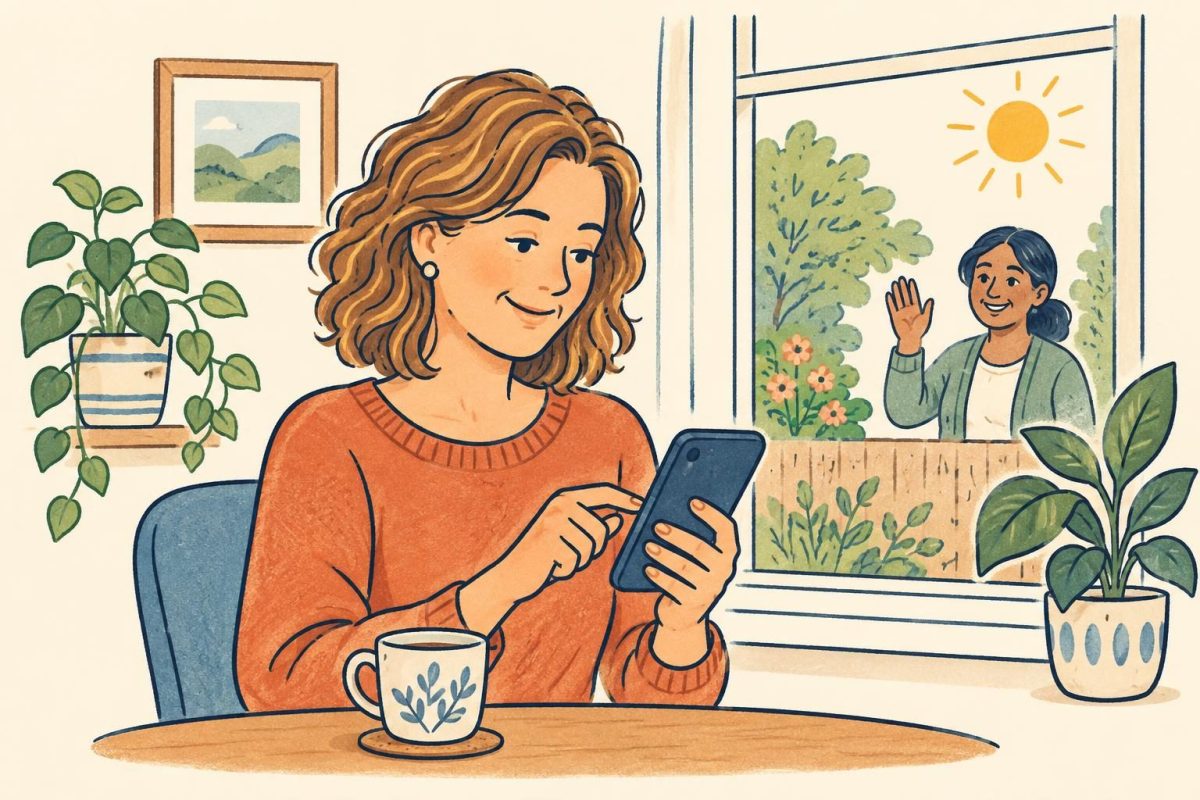
Loneliness is one of the most human feelings there is. Almost everyone feels it at some point, whether after a move, a break-up, a bereavement, a change of job, or for no clear reason at all. Yet it can be surprisingly hard to admit, even to ourselves.
If you are feeling lonely right now, it does not mean something is wrong with you. It is a signal, a bit like hunger or tiredness, that a need for connection is not being met. This article looks at what loneliness is, how it can affect you, and some gentle ways to start reaching out.
Being alone and feeling lonely are not the same
It helps to separate two ideas. Isolation is about circumstances: how much contact you have with other people. Loneliness is a feeling: the sense that the connection you have is not the connection you need.
This is why someone can live alone, see few people and feel quite content, while someone else can have a busy household, a full workplace or a large group of friends and still feel deeply lonely. What matters is not the number of people around you, but whether you feel understood, accepted and close to someone.
Loneliness can show up in different ways, for example:
- missing one particular person, such as a partner, parent or close friend
- feeling that you do not belong in a group, community or place
- feeling that nobody really knows the real you, even when you are with others
- a general sense of being cut off or on the outside of life
Why loneliness can be hard to talk about
Many people feel embarrassed about being lonely. There can be a worry that it means you are unlikeable, or that you have somehow failed. People often assume everyone else has a full social life, especially when they see only the highlights of other people's lives online.
In reality, loneliness can happen to anyone at any stage of life. Students, new parents, carers, people working from home, people who have retired, people with long-term health conditions and people who have recently moved to a new area can all be more likely to experience it. Life changes often loosen the everyday contact we took for granted, and it can take time to build new connections.
Naming the feeling, even quietly to yourself, can be a useful first step. Saying "I feel lonely at the moment" is not a judgement on who you are. It is simply a description of how things are right now.
How loneliness can affect you
Short spells of loneliness are a normal part of life. When it goes on for a long time, though, it can start to affect how you feel and how you see the world. You might notice:
- low mood, sadness or a sense of emptiness
- feeling anxious or on edge in social situations
- poorer sleep, or sleeping much more than usual
- losing interest in things you used to enjoy
- being more self-critical, or thinking others would not want your company
The loneliness cycle
One of the trickiest things about loneliness is that it can keep itself going. When we feel lonely, we can become more alert to rejection. A friend's slow reply to a message might feel like proof they do not care. A quiet moment at a gathering might feel like confirmation that we do not fit in.
This can lead us to pull back to protect ourselves, which then means fewer chances to connect, which deepens the loneliness. Recognising this cycle can help. It means that the thoughts loneliness brings, such as "nobody wants to hear from me", are not always reliable facts. They may be the loneliness talking.
Small, realistic ways to reach out
Reaching out does not have to mean big gestures. Small, regular steps are often easier to manage and more likely to stick. You might try one or two of these ideas, at your own pace.
- Send one low-pressure message. A short note to an old friend or family member, such as "I was thinking of you, how are things?", does not ask much of either of you.
- Build on brief, everyday contact. A few words with a neighbour, a shop assistant or a regular at the café can lift your mood more than you might expect.
- Join something with a shared focus. Groups built around an activity, such as walking, a craft, volunteering, a choir or a class, can make conversation easier because there is something to do together.
- Make plans that repeat. Seeing the same people regularly, even briefly, tends to build closeness over time more than one-off events.
- Be honest with someone you trust. Telling one person that you have been feeling a bit isolated can open the door to more support. Many people are glad to be asked.
- Be kind to yourself about setbacks. Not every attempt will lead to a new friendship. That is normal, and it does not mean you should stop trying.
If you feel anxious about social contact, it is fine to start very small. Even something like sitting in a library or park among other people can be a gentle step towards feeling less cut off.
How talking therapy can help with loneliness
Therapy is not a replacement for friendship or community, but it can help with the things that make connection feel difficult. A registered therapist offers a private, non-judgemental space to talk about how you are feeling, often for the first time.
Depending on the approach and on what you need, therapy might help you to:
- understand what lies behind your loneliness, such as a loss, a life change or longer-standing patterns
- notice and question harsh thoughts about yourself and other people
- work through social anxiety, low confidence or past hurts that make it hard to trust others
- plan small steps towards connection and reflect on how they went
- cope with grief or a relationship ending that has left a gap in your life
For some people, simply having a regular conversation with someone who listens carefully can make a real difference. Therapy will not suit everyone or work in the same way for each person, but many people find it a helpful part of feeling more connected.
If leaving the house is hard, or if you live far from local services, online sessions can make it easier to get started. On WebcamTherapy, you can book a private video session with a therapist registered with BACP, NCPS or UKCP, from a space where you feel comfortable.
When to look for more support
It may be worth speaking to your GP if loneliness is affecting your sleep, appetite, work or daily life, or if low mood has lasted for more than a couple of weeks. Your GP can talk through how you are feeling, check whether anything else might be contributing, and tell you about local support. Some GP surgeries can also connect people with community groups and activities.
Sometimes loneliness can sit alongside very painful feelings, including thoughts that life is not worth living. If that is happening for you, please know you do not have to manage it alone. Online therapy is not an emergency service. In the UK, if you are in immediate danger, call 999. You can call NHS 111 for urgent advice, or contact Samaritans free on 116 123 at any time of day or night.
A gentle reminder
Loneliness can make it feel as though you are the only one going through it, but it is something many people quietly share. Reaching out, in whatever small way feels possible today, is a sign of strength rather than weakness. Connection often grows slowly, through repeated small moments, and it is never too late to begin.
WebcamTherapy editorial team
Our articles are reviewed by registered therapists before publishing.
Related articles
Wellbeing
Men and mental health: making it easier to ask for help
Many men find it hard to say they are struggling, even to themselves. This guide looks at why that is, how difficulties can show up, and small, practical ways to take a first step towards support.
3 Nov 2026 · 7 min read
Wellbeing
Anger: understanding it and learning to respond differently
Anger is a normal human emotion, but it can feel overwhelming or cause problems with the people around you. This guide explains what anger is, what often sits underneath it, and practical ways to respond differently.
1 May 2026 · 7 min read
Wellbeing
Building self-esteem through therapy: how talking can change the way you see yourself
Low self-esteem can quietly shape your choices, relationships and mood. Here is a gentle look at where it comes from, how different therapies work with it, and what change can realistically look like.
23 Jul 2025 · 7 min read