Wellbeing
Building self-esteem through therapy: how talking can change the way you see yourself
Low self-esteem can quietly shape your choices, relationships and mood. Here is a gentle look at where it comes from, how different therapies work with it, and what change can realistically look like.
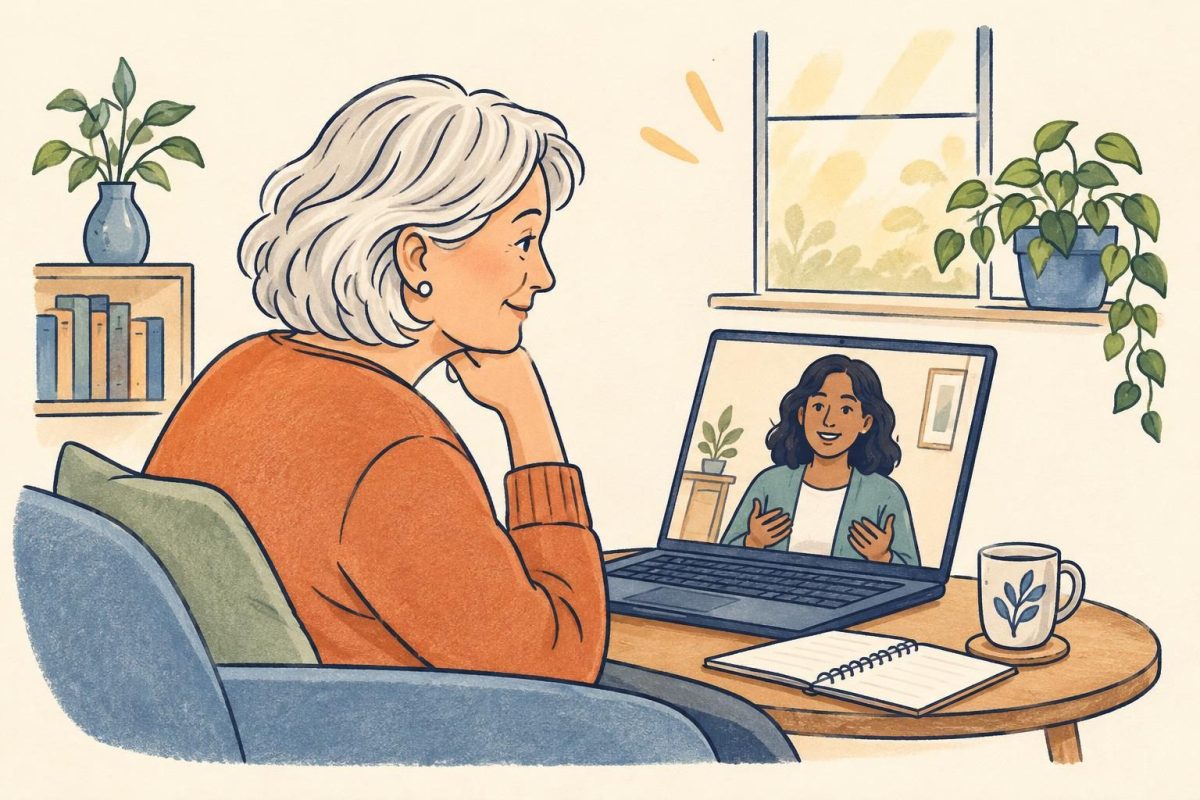
Many people carry a quiet voice that says they are not good enough, not likeable enough or not quite worth the fuss. It might not stop you getting through the day, but it can shape a lot: the jobs you apply for, the way you let others treat you, how easily you say sorry, and how hard it is to accept a compliment.
If that sounds familiar, you are far from alone. Low self-esteem is one of the most common reasons people start talking to a therapist, even when it is not the first thing they mention. This article looks at what self-esteem actually is, why it can become fragile, and how therapy can help you build a steadier, kinder view of yourself over time.
What self-esteem really means
Self-esteem is the overall opinion you hold about yourself and your worth as a person. It is not the same as confidence, although the two often overlap. Confidence tends to be about specific things, such as feeling sure you can drive, cook or give a presentation. Self-esteem runs deeper. It is about whether you feel acceptable as you are, including when things go wrong.
Healthy self-esteem does not mean thinking you are better than other people or never doubting yourself. It looks more like:
- Being able to see your strengths and your weaknesses without one wiping out the other
- Feeling that you deserve respect and fair treatment
- Being able to make a mistake without deciding you are a failure
- Setting limits with others without feeling guilty for days
When self-esteem is low, the picture often tips the other way. People may put themselves down, dismiss praise, avoid new things in case they fail, or work very hard to please others so that they will not be rejected.
Where low self-esteem can come from
There is rarely one single cause. Self-esteem usually forms gradually, through experiences and the messages we absorb about ourselves. Some common influences include:
- Early experiences. Growing up with a lot of criticism, neglect, unpredictable care or high pressure to achieve can leave a lasting sense of not being good enough.
- Bullying or exclusion. Being picked on or left out at school, at work or online can shape how you see yourself long after it has stopped.
- Difficult relationships. A controlling or belittling partner, friend or family member can slowly wear down your sense of worth.
- Life setbacks. Losing a job, a relationship ending, illness or money worries can shake even a fairly solid sense of self.
- Comparison. Constantly measuring yourself against others, including the polished versions of people you see on social media, can make ordinary life feel like falling short.
Over time, these experiences can harden into what therapists sometimes call core beliefs. These are deep, often unspoken conclusions such as I am unlovable, I am stupid or I am a burden. They can feel like plain facts rather than beliefs, which is part of why they are so hard to shift on your own.
Low self-esteem also often sits alongside other difficulties, such as anxiety, depression, eating problems or relationship struggles. If you are unsure what is going on for you, your GP or a registered therapist can help you make sense of it.
How therapy can help
Therapy offers something that is hard to find elsewhere: a regular, private space with someone who is trained to listen without judging you. For people with low self-esteem, simply being taken seriously and treated with respect can be a meaningful experience in itself.
Different types of therapy approach self-esteem in slightly different ways. A therapist may draw on more than one.
Cognitive behavioural therapy (CBT)
CBT looks at the links between your thoughts, feelings and actions. With low self-esteem, a therapist might help you notice the automatic critical thoughts that pop up, such as That went badly because I am useless, and gently test them against the evidence. You might also look at habits that keep low self-esteem going, like avoiding challenges or over-preparing out of fear. Over time, the aim is to build a more balanced view rather than forced positivity.
Compassion-focused approaches
Some people find that even when they know a harsh thought is unfair, it still feels true. Compassion-focused work aims to develop a warmer inner voice, one that treats you with the kind of understanding you might offer a good friend. This is not about letting yourself off the hook. It is about finding that kindness, rather than constant criticism, often makes it easier to learn and grow.
Person-centred counselling
In person-centred therapy, the therapist offers warmth, honesty and acceptance, and trusts that you are the expert on your own life. Many people with low self-esteem have spent years feeling they had to earn approval. Experiencing acceptance without conditions can help you begin to accept yourself.
Psychodynamic and relational work
These approaches explore how past relationships may shape the way you see yourself now. Understanding where a belief came from, and that it was learned rather than true, can loosen its hold.
No single approach works for everyone. What tends to matter a great deal is how comfortable you feel with your therapist, so it is worth finding someone you feel able to be honest with.
What working on self-esteem can look like in sessions
Building self-esteem is usually a gradual process rather than a sudden breakthrough. In sessions, you might:
- Talk through situations that knocked your confidence and look at what you told yourself afterwards
- Trace patterns, for example noticing that you always apologise first or never ask for help
- Explore where certain beliefs about yourself began
- Practise saying what you need, first with your therapist and then in everyday life
- Notice and name your strengths, even if that feels awkward at first
It is common for this work to stir up feelings. Looking closely at how you see yourself can bring sadness, frustration or old memories to the surface. A good therapist will go at a pace that feels manageable and check in with how you are doing.
Small steps you can try between sessions
Many therapists suggest small practices to try outside sessions. These are not tests you can fail. They are simply ways of trying things out.
- Keep a balanced record. At the end of each day, jot down one or two things you did, coped with or handled kindly, however small. Low self-esteem tends to filter these out, so writing them down helps them stick.
- Catch the critic. When you notice a harsh thought about yourself, pause and ask: would I say this to someone I care about? What might I say instead?
- Take one small risk. Share an opinion, say no to something you do not want to do, or try something new. Notice what actually happens, rather than what you feared would happen.
- Look after the basics. Sleep, food, movement and time with people who treat you well all affect how you feel about yourself, even though they can seem unrelated.
- Limit unhelpful comparison. If certain accounts or situations leave you feeling worse about yourself, it is fine to step back from them.
What progress can realistically look like
It is worth being honest about what change usually looks like. Therapy is unlikely to make every self-critical thought disappear. Instead, many people find that the critical voice becomes quieter, less convincing and easier to argue with.
You might notice that a mistake at work upsets you for an hour rather than a week. You might find yourself accepting a compliment, speaking up in a meeting or leaving a relationship that was not good for you. These shifts can feel small, but over time they add up.
Progress is not always a straight line. Stressful periods can bring old beliefs back for a while. That does not mean therapy has failed. It often means you have more tools to notice what is happening and respond differently.
When to reach out for support
You do not need to be in crisis to deserve support. If the way you see yourself is holding you back, affecting your relationships or leaving you feeling low much of the time, it may be a good moment to talk to someone. Your GP can be a helpful first step, especially if you are also struggling with your mood, sleep or appetite.
If you would like to work on this privately, you can book a registered therapist through WebcamTherapy for one-to-one video sessions from home.
If you ever feel unsafe or have thoughts of harming yourself, please know that online therapy is not an emergency service. In the UK you can call 999 in an emergency, call NHS 111 for urgent advice, or contact Samaritans free on 116 123 at any time, day or night.
Low self-esteem is often learned, and what is learned can, with time and support, be gently relearned. You are worth the effort of finding out how.
WebcamTherapy editorial team
Our articles are reviewed by registered therapists before publishing.
Related articles
Wellbeing
Anger: understanding it and learning to respond differently
Anger is a normal human emotion, but it can feel overwhelming or cause problems with the people around you. This guide explains what anger is, what often sits underneath it, and practical ways to respond differently.
1 May 2026 · 7 min read
Wellbeing
Loneliness and isolation: how to start reaching out for support
Loneliness is a common human feeling, but it can be hard to talk about. This guide looks at why it happens, how it can affect you, and gentle ways to start reconnecting with others.
1 Mar 2026 · 6 min read
Wellbeing
Perfectionism and self-criticism: how to loosen their grip
Perfectionism can look like high standards from the outside, but it often feels like never being good enough. Here is how it works, why the inner critic is so loud, and gentle ways to ease off.
24 Apr 2025 · 7 min read