Wellbeing
Anger: understanding it and learning to respond differently
Anger is a normal human emotion, but it can feel overwhelming or cause problems with the people around you. This guide explains what anger is, what often sits underneath it, and practical ways to respond differently.
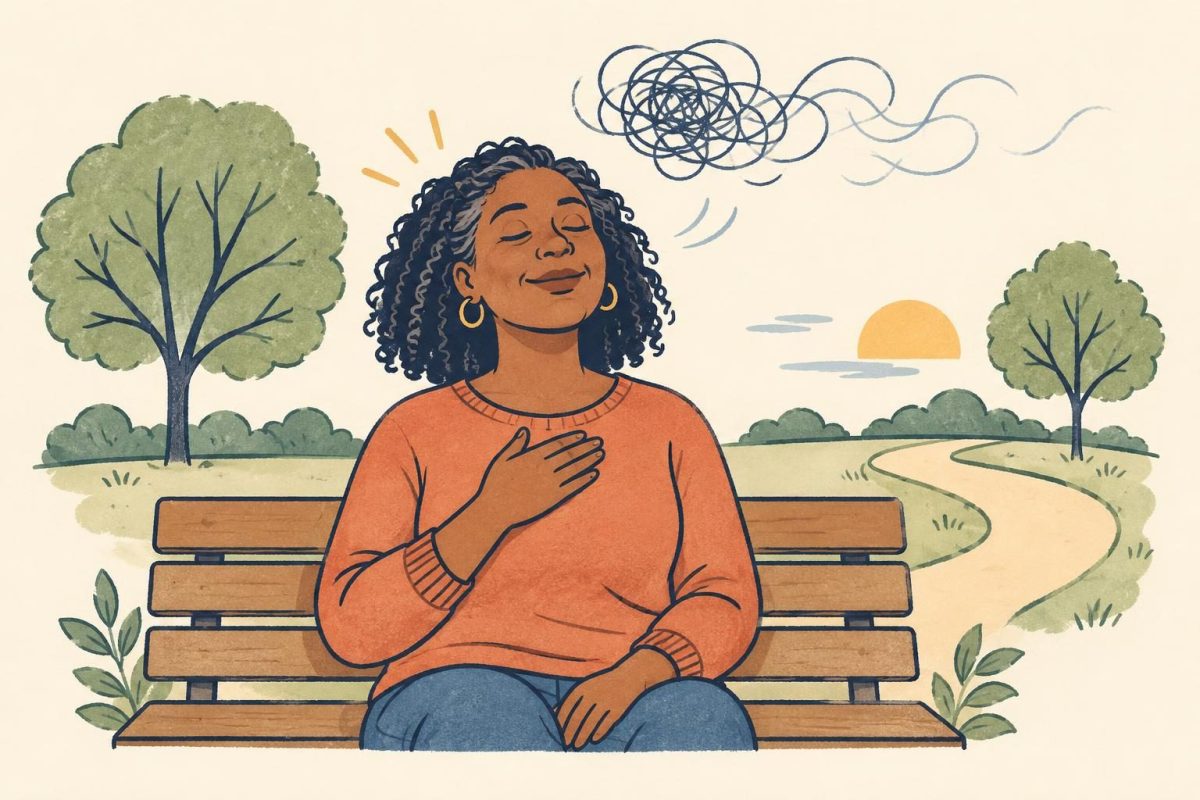
Anger has a bad reputation. Many of us grow up learning that it is something to hide, feel ashamed of or get rid of. Yet anger is one of the most natural emotions we have. Everyone feels it, and it often carries useful information about what matters to us.
Problems tend to come not from feeling angry, but from what happens next. That might be shouting, saying things you regret or bottling everything up until you feel exhausted. This article looks at what anger is, why it shows up, and some ways to respond to it that feel more in your control.
What anger is and why we have it
Anger is part of the body's built-in protection system. When you sense a threat, an injustice or a block to something you need, your body gets ready to act. Your heart may beat faster, your muscles tighten and your breathing changes. This is sometimes called the fight or flight response.
In small doses, anger can be helpful. It can:
- tell you that a boundary has been crossed
- give you the energy to stand up for yourself or someone else
- highlight something unfair that needs to change
- show you what you care about
The aim is not to never feel angry. It is to notice anger, understand what it is telling you, and choose how to act on it.
What often sits underneath anger
Anger is sometimes described as a cover for other feelings. It can feel easier, or safer, to feel angry than to feel hurt, scared or embarrassed. When you look a little closer, you might find feelings such as:
- Hurt, for example feeling ignored, let down or unappreciated
- Fear, such as worry about losing a job, a relationship or your health
- Shame, feeling criticised or exposed in front of others
- Helplessness, when things feel out of your control
- Grief, as anger is a common part of loss
Physical and practical things play a part too. Poor sleep, hunger, pain, alcohol, money worries and long-term stress can all lower your patience. You may notice you snap more easily at the end of a long day, not because the issue is bigger, but because your reserves are lower.
For some people, anger is also linked to past experiences. If you grew up in a home where anger was frightening, or where you were never allowed to express it, you may find it hard to know what healthy anger looks like now.
The different ways anger can show up
Anger does not always look like shouting. People express it in many ways, and recognising your own pattern is a useful first step.
Outward anger
This is the most visible kind: raising your voice, slamming doors, arguing or saying hurtful things. It can feel like a release in the moment but often leaves guilt or damaged relationships behind.
Inward anger
Some people turn anger on themselves. This can look like harsh self-criticism, feeling low or withdrawing from others. It can be linked with low mood and is easy to miss because it is so quiet.
Hidden or indirect anger
Anger can also come out sideways. You might go silent, make sarcastic comments, 'forget' to do something, or agree to things while feeling resentful inside. Pushing anger down does not usually make it disappear. It often builds up and comes out later, sometimes over something small.
Noticing the early warning signs
Anger rarely goes from nothing to boiling point in a second, even if it feels that way. There are usually early signs, and the sooner you notice them, the more choice you have.
Common early signs include:
- a hot face, clenched jaw or tight shoulders
- a faster heartbeat or shallow breathing
- clenched fists or restless legs
- thoughts like 'that's not fair' or 'they always do this'
- talking faster or louder
- finding it hard to listen
It can help to imagine anger on a scale from 0 to 10. At 2 or 3 you might feel irritated. At 6 or 7 you feel tense and heated. At 9 or 10 it is very hard to think clearly. Most of the useful changes happen lower down the scale, before you reach the top.
For a week or two, you could keep a simple note of times you felt angry. Write down what happened, where you were on the scale, what you felt in your body and what you did. Patterns often appear, such as certain times of day, certain topics or feeling tired or hungry.
Responding differently in the moment
When anger rises, the thinking part of your brain has less say. These ideas are designed to give it a chance to catch up.
- Pause. Even a few seconds can help. Some people count slowly to ten or take a sip of water before speaking.
- Slow your breathing. Try breathing in gently through your nose and breathing out a little longer than you breathed in. A longer out-breath can help your body settle.
- Name it. Saying to yourself 'I'm feeling really angry right now' can create a little distance from the feeling.
- Take a time out. If things are heating up, it is fine to step away. Say something like 'I need ten minutes to calm down, then I want to come back and talk.' Agreeing this in advance with a partner or family member can make it easier.
- Move your body. A short walk, stretching or shaking out your hands can help use up some of the physical energy.
Time outs work best when you come back. Walking away for good can feel like punishment to the other person. Returning when you are calmer shows the issue still matters to you.
Making longer-term changes
Handling the moment is important, but longer-term changes can reduce how often anger builds up in the first place.
Look after the basics
Sleep, regular meals, movement and cutting down on alcohol can all make a real difference to how much patience you have. These are not quick fixes, but they lower the background pressure.
Practise saying what you need
Being assertive means expressing your feelings and needs clearly and respectfully, without attacking or giving in. A simple structure can help: 'When this happens, I feel this, and I would like this.' For example, 'When plans change at the last minute, I feel stressed, and I'd like a bit more notice if possible.'
Question angry thoughts
When angry, our thinking can become all-or-nothing, with words like 'always' and 'never'. Asking yourself 'Is there another way to see this?' or 'What would I say to a friend in this situation?' can soften the intensity.
Repair when things go wrong
Everyone loses their temper sometimes. A sincere apology, without excuses, and a conversation about what you will try differently can rebuild trust over time.
When to seek support
It may be worth talking to someone if:
- your anger feels out of proportion or hard to control
- it is affecting your relationships, work or family life
- other people seem frightened or wary of you
- you often feel guilty or ashamed after angry moments
- you turn anger inward and feel low, or use alcohol or other substances to cope
Your GP is a good place to start, especially if anger has changed suddenly or you think it might be linked to stress, sleep, pain or your mental health.
Talking therapy can give you a calm, non-judgemental space to explore what sits underneath your anger. Depending on the approach, a therapist might help you spot triggers and patterns, practise new ways of responding, or understand how past experiences shape your reactions now. Many people find it a relief simply to talk about anger without being judged for it. If you would like to explore this, you can book a private video session with a registered therapist through WebcamTherapy.
If you ever feel you might hurt yourself or someone else, or you do not feel safe at home, please seek help straight away. Online therapy is not an emergency service. In the UK you can call 999 in an emergency, call NHS 111, or contact Samaritans free on 116 123 at any time, day or night.
Anger is not a flaw. It is a signal. With some understanding and practice, it is possible to listen to that signal and respond in a way that fits who you want to be.
WebcamTherapy editorial team
Our articles are reviewed by registered therapists before publishing.
Related articles

Wellbeing
Men and mental health: making it easier to ask for help
Many men find it hard to say they are struggling, even to themselves. This guide looks at why that is, how difficulties can show up, and small, practical ways to take a first step towards support.
3 Nov 2026 · 7 min read
Wellbeing
Loneliness and isolation: how to start reaching out for support
Loneliness is a common human feeling, but it can be hard to talk about. This guide looks at why it happens, how it can affect you, and gentle ways to start reconnecting with others.
1 Mar 2026 · 6 min read
Wellbeing
Building self-esteem through therapy: how talking can change the way you see yourself
Low self-esteem can quietly shape your choices, relationships and mood. Here is a gentle look at where it comes from, how different therapies work with it, and what change can realistically look like.
23 Jul 2025 · 7 min read