Trauma & PTSD
How trauma affects the body and the nervous system
Trauma is not only something you remember. It can show up in your sleep, your muscles, your digestion and how easily you startle. Here is a calm guide to why that happens and what can help.
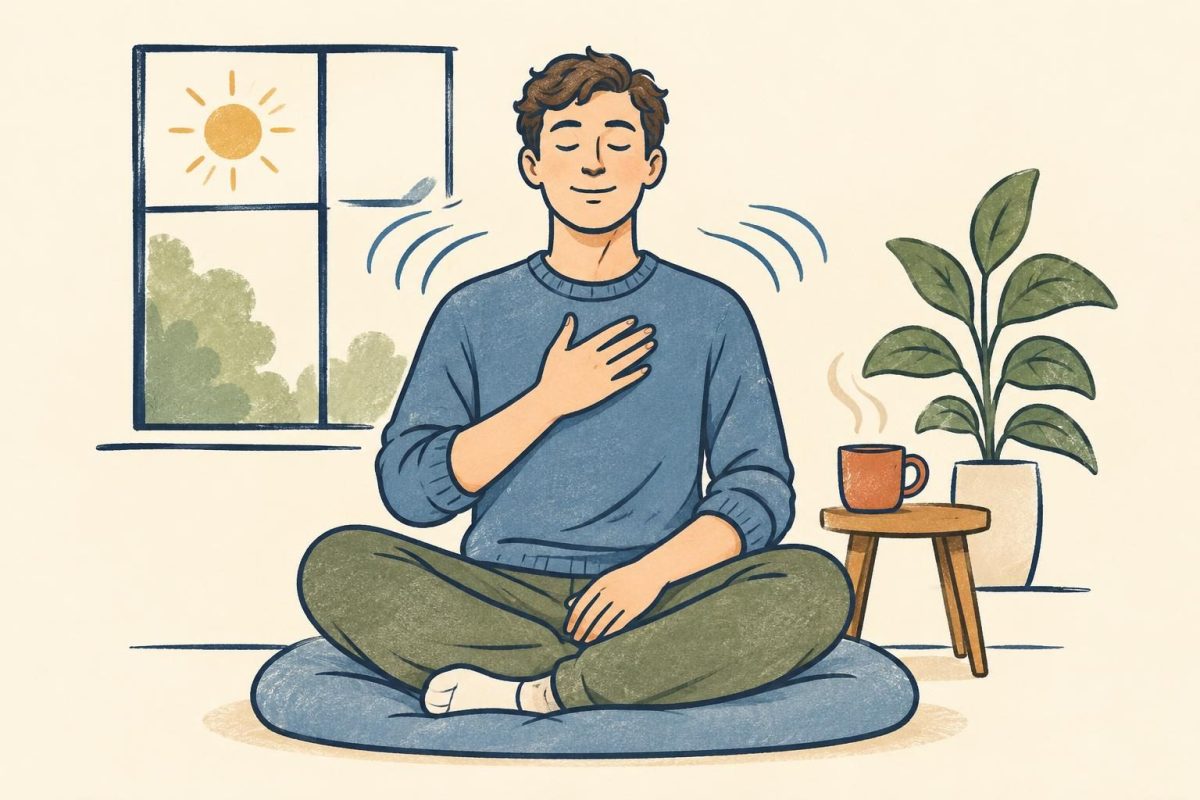
When people think about trauma, they often picture memories: images, thoughts or nightmares about something frightening that happened. Those can be part of it. But many people are surprised to find that trauma also shows up in the body. You might feel tense all the time, jump at small noises, struggle to sleep, or feel strangely numb and far away.
If that sounds familiar, it can help to know there is a reason for it. Your body is not broken, and you are not imagining things. This article explains, in plain terms, how the nervous system responds to danger, why those responses can linger after the danger has passed, and what tends to help.
Why trauma is felt in the body, not just the mind
Your nervous system is the network of nerves that carries messages between your brain and the rest of your body. One part of it works mostly in the background, without you having to think about it. It looks after things like your heart rate, breathing, digestion and alertness.
This background system is always quietly checking whether you are safe. When it senses danger, it reacts in a split second, often before the thinking part of your brain has caught up. That speed is useful. It is why you might leap out of the way of a car before you have even consciously noticed it.
Trauma happens when something overwhelms your ability to cope and leaves you feeling unsafe, helpless or under threat. Because the body is so closely involved in responding to danger, it is very common for the effects to be stored and felt physically as well as emotionally.
The body's alarm system: fight, flight, freeze and fawn
When your nervous system detects a threat, it prepares you to survive. Stress hormones such as adrenaline and cortisol are released, and your body shifts into one of several protective modes.
- Fight: your heart races, muscles tighten and you may feel a surge of anger or energy, ready to defend yourself.
- Flight: the same rush of energy pushes you to escape. You might feel restless, panicky or desperate to get away.
- Freeze: when fighting or running does not seem possible, the body may lock up. You might feel stuck, unable to move or speak, or as though time has slowed down.
- Fawn: some people try to stay safe by keeping the other person happy, going along with things or putting their own needs aside.
None of these responses is a choice, and none is a sign of weakness. They are automatic. Many people later feel guilt or shame about how they reacted during a traumatic event, such as freezing instead of fighting back. It may help to know that the body picks whatever it judges most likely to keep you alive in that moment.
When the alarm stays switched on
Usually, once a danger has passed, the nervous system settles back down. Your breathing slows, your muscles relax and your body returns to its normal rhythm. After trauma, though, this settling process does not always happen fully. The alarm can stay partly switched on, or become very sensitive, so it goes off in situations that are actually safe.
Feeling on high alert
Sometimes called hyperarousal, this is when your body stays ready for danger. You might feel jumpy, irritable, unable to relax, or constantly scanning the room. Sleep can be light and broken because part of you does not feel safe enough to switch off.
Feeling shut down or numb
The opposite can happen too. Some people feel flat, exhausted, disconnected from their emotions or as though they are watching life from behind glass. Feeling detached from yourself or your surroundings is sometimes called dissociation. It can be the nervous system's way of protecting you from feelings that seem too much.
Many people move between the two states. Therapists sometimes talk about a window of tolerance: the zone where you feel calm enough to think clearly but alert enough to engage with life. Trauma can make that window narrower, so it takes less to tip you into feeling either overwhelmed or shut down.
Common physical signs after trauma
Everyone is different, and these experiences can have many causes, so it is worth speaking to your GP about any physical symptoms that worry you. That said, people who have been through trauma often notice things like:
- trouble falling or staying asleep, or nightmares
- tight muscles, especially in the jaw, neck, shoulders or back
- headaches or a general sense of aching
- stomach problems, nausea or changes in appetite
- a racing heart, shallow breathing or feeling short of breath
- startling easily at sudden sounds or movements
- tiredness that does not lift with rest
- feeling numb, heavy or disconnected from your body
These can appear soon after an event, or months or even years later. They can also come and go, sometimes flaring up at stressful times or around anniversaries.
Triggers and the body's memory
A trigger is something that reminds your nervous system of the original danger, often without you realising it at first. It might be a smell, a tone of voice, a type of weather, a song or a particular place. Your body reacts as if the threat is happening again, even though your thinking mind knows you are safe now.
This can be confusing. You might suddenly feel panicky, tearful or frozen and not know why. It is not that you are overreacting. Your nervous system learned to link certain cues with danger, and it is trying to protect you. Over time, with the right support, many people find these reactions become less intense and easier to understand.
Gentle ways to support your body
There is no quick fix, and what helps one person may not suit another. But small, regular habits can give your nervous system more chances to feel safe.
- Slow your breathing: breathing out a little longer than you breathe in can signal to your body that it is safe to settle.
- Move gently: walking, stretching or other light movement can help release tension and use up some of that stored alert energy.
- Keep a steady routine: regular times for meals, sleep and rest can help your body feel more predictable and secure.
- Notice without judging: simply naming what you feel, such as "my shoulders are tight" or "my heart is racing", can make the sensation feel a little less overwhelming.
- Be kind about your pace: some days will be harder than others. That is part of healing, not a sign you are going backwards.
If paying attention to your body feels upsetting or brings up strong memories, it is fine to stop. Some people find it easier to explore this with a therapist, who can help them go at a pace that feels manageable.
How therapy can help
Talking therapy can help you understand your body's reactions, feel safer in the present and gradually process what happened. A good therapist will not rush you into talking about painful details before you feel ready.
For adults with post-traumatic stress disorder (PTSD), NICE recommends trauma-focused cognitive behavioural therapy and EMDR (eye movement desensitisation and reprocessing). Both aim to help the brain and body process traumatic memories so they feel less raw and less likely to set off the alarm. Some therapists also use body-aware approaches that focus on noticing physical sensations and building a sense of calm and safety. Research suggests trauma therapy helps many people, though no approach works for everyone, and it is worth talking through options with your GP or a registered therapist.
Therapy often begins with stabilisation: learning ways to calm your nervous system and widen your window of tolerance before working with harder memories. This careful pacing is an important part of feeling safe in the process.
If you would like to explore this from home, WebcamTherapy lets you book a private video session with a therapist registered with BACP, NCPS or UKCP.
Online therapy is not an emergency service. If you are in danger or feel unable to keep yourself safe, call 999. For urgent help that is not an emergency, call NHS 111. You can also contact Samaritans free on 116 123, any time of day or night.
Your body's reactions after trauma are a sign that it has been working hard to protect you. With time, understanding and support, many people find it can slowly learn that it is safe to rest again.
WebcamTherapy editorial team
Our articles are reviewed by registered therapists before publishing.
Related articles
Trauma & PTSD
Complex trauma: what it is and why gentle pacing matters
Complex trauma grows out of experiences that were repeated or went on for a long time. Here is what it can look like, and why good therapy often moves slowly and steadily rather than diving straight in.
21 Oct 2024 · 6 min read
Therapy explained
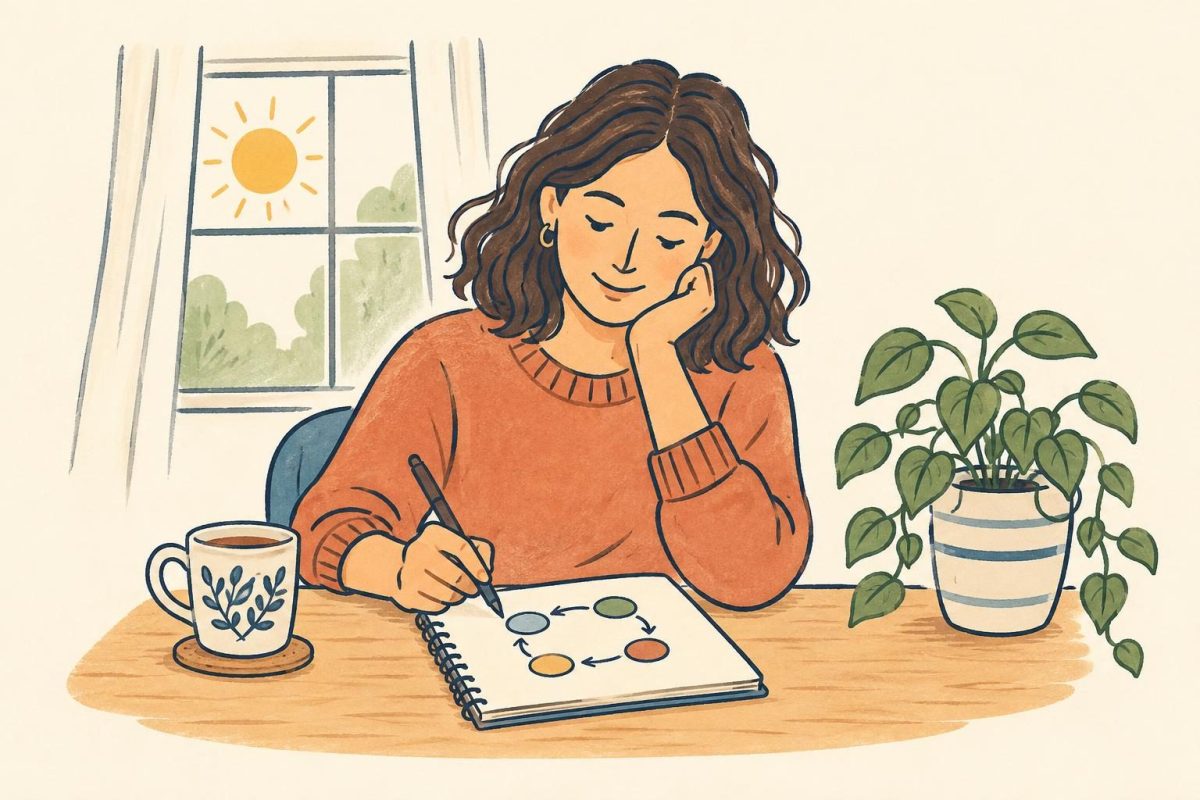
How CBT works: the links between thoughts, feelings and behaviour
Cognitive behavioural therapy is built on a simple idea: what we think, how we feel and what we do all affect each other. Here is how that cycle works, and how CBT helps you change it.
10 Nov 2026 · 7 min read
Online therapy
What to expect from your first online therapy session
Feeling nervous before your first video session with a therapist is completely normal. Here is a calm, practical guide to what usually happens before, during and after that first appointment.
10 Nov 2026 · 7 min read