Trauma & PTSD
Complex trauma: what it is and why gentle pacing matters
Complex trauma grows out of experiences that were repeated or went on for a long time. Here is what it can look like, and why good therapy often moves slowly and steadily rather than diving straight in.
When people hear the word trauma, they often picture a single frightening event, such as a car accident or an assault. Many people, though, carry the effects of something different: harm that happened again and again, often over months or years, and often at the hands of people they should have been able to trust. This is sometimes called complex trauma.
If that sounds familiar, you may have wondered why you feel the way you do, or why some approaches to getting help have felt like too much, too soon. This article explains what complex trauma is, how it can show up in everyday life, and why a gentle, steady pace in therapy matters so much.
What do we mean by complex trauma?
Complex trauma usually describes experiences that were repeated or prolonged, and where getting away felt difficult or impossible. Examples can include:
- abuse or neglect in childhood
- growing up with a caregiver whose behaviour was frightening or unpredictable
- domestic abuse or coercive control in an adult relationship
- long-term bullying, harassment or discrimination
- living through war, displacement, captivity or exploitation
What these have in common is that the threat was not a one-off. It became part of daily life. Often it happened within a relationship, so the people or places that should have offered safety were the very source of harm. That can shape how a person sees themselves, other people and the world in deep and lasting ways.
Not everyone who goes through these experiences develops lasting difficulties, and there is no single right way to react. People respond differently depending on many things, including the support they had at the time and since.
Complex PTSD and how it can show up
The World Health Organization's international classification of diseases, known as ICD-11, includes a diagnosis called complex post-traumatic stress disorder, or complex PTSD. It includes the core features of PTSD, such as reliving memories, avoiding reminders and feeling constantly on guard. It also includes three further areas of difficulty:
- Managing emotions. Feelings may seem to swing from overwhelming to numb, with little in between.
- How you see yourself. Many people describe deep shame, guilt or a sense of being worthless, broken or different from everyone else.
- Relationships. Trusting others and feeling close to them can be hard, or relationships may feel intense and unsettled.
You do not need a diagnosis to deserve support, and plenty of people affected by complex trauma never receive one. If you are wondering whether this applies to you, your GP or a registered therapist can talk it through with you. A label can be helpful for some people and less important to others.
In everyday life, complex trauma might look like finding it hard to relax even when nothing is wrong, reacting strongly to small things, apologising constantly, struggling to say no, or feeling disconnected from your body or surroundings. These are not character flaws. They are often ways of coping that once helped you get through.
Why pacing matters so much
Therapists sometimes talk about a window of tolerance. This is a way of describing the range of feeling in which you can think clearly, stay present and cope with what is happening. Above that window, you might feel panicky, angry or flooded. Below it, you might feel numb, foggy or shut down.
For many people with complex trauma, this window can be quite narrow, at least to begin with. Talking about painful memories too early, or in too much detail, can push someone outside it. Rather than helping, this can leave a person feeling worse, more ashamed, or unable to come back to therapy.
Trust is the other reason pacing matters. If relationships in the past were where harm happened, it makes sense that sitting with a stranger and opening up would feel risky. A good therapeutic relationship is built over time. Feeling safe enough with your therapist is not a delay before the real work begins. For many people, it is a central part of the work.
UK guidance on PTSD recognises that people with complex PTSD may need more time in therapy, and that building trust and helping with emotional stability can be important parts of treatment.
What gentle, phased therapy can look like
Therapy for complex trauma is often described as happening in broad phases. These are not strict steps, and people often move back and forth between them.
- Safety and stabilisation. Getting to know your therapist, understanding your reactions, and building skills to calm your body and manage strong feelings.
- Working with memories. When you feel ready and steady enough, gently processing some of what happened, using approaches such as trauma-focused CBT or EMDR, among others.
- Rebuilding and moving forward. Focusing on relationships, self-worth, and the life you want now.
Stabilisation is not doing nothing
Some people worry that if they are not talking about the trauma itself, therapy is not working. In fact, learning to notice when you are leaving your window of tolerance, and finding ways back, can make a real difference to daily life. Some people find that stabilisation alone brings meaningful change.
There is no single right approach
Different therapists draw on different methods, and research suggests that several approaches can help people with trauma. What suits one person may not suit another, and no therapy works for everyone. It is reasonable to ask a therapist how they work with complex trauma and how they think about pacing.
You have a say in the pace
Good trauma therapy is collaborative. That means you and your therapist decide together how fast to go. Some things you are entitled to do include:
- saying that something feels like too much, and pausing or changing the subject
- choosing not to share details of what happened, or sharing only a little at a time
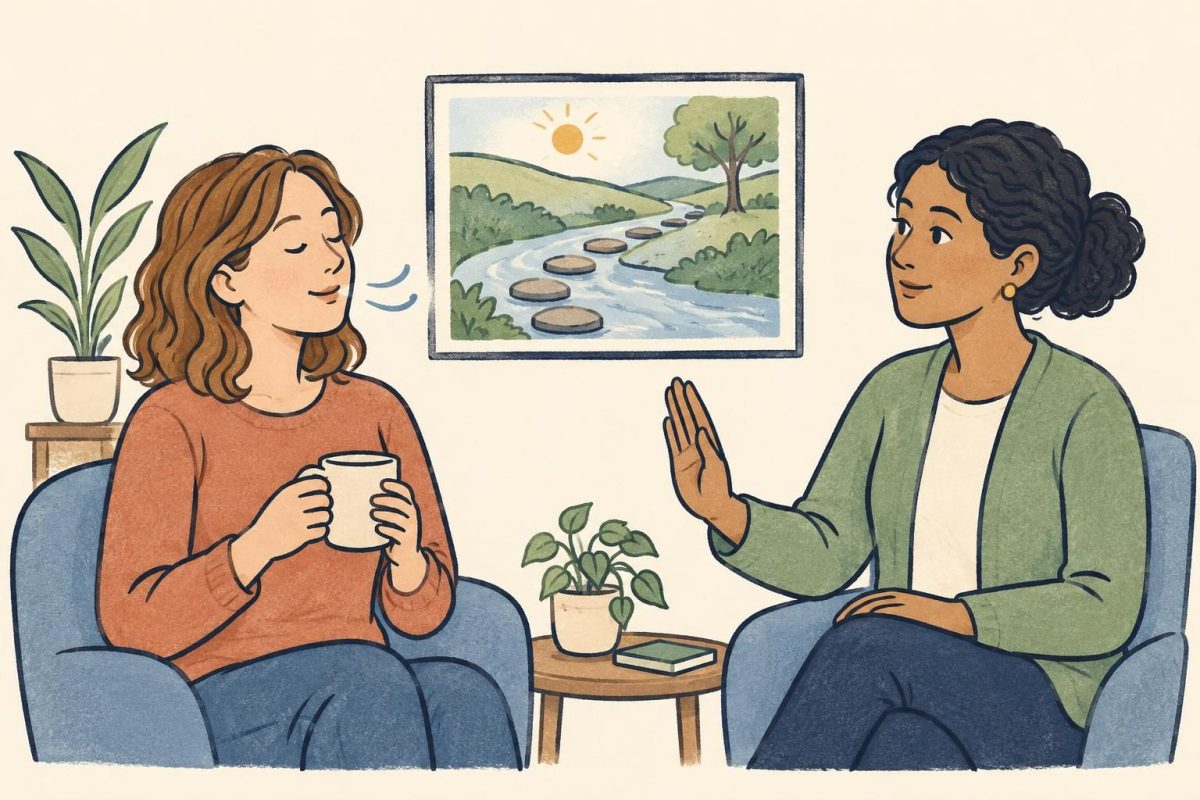
- agreeing a simple signal, such as a word or a hand gesture, that means stop
- asking for a few minutes at the end of a session to settle before you leave
- asking questions about why your therapist is suggesting a particular exercise
If you have video sessions from home, it can help to think about what you will do straight afterwards. A short walk, a warm drink or a few minutes somewhere quiet can help you transition back into your day rather than going straight into something demanding.
Looking after yourself between sessions
Healing from complex trauma is rarely a straight line. There may be weeks when you feel more settled and weeks when old feelings return. Both are normal. Small, steady habits can help:
- keeping a regular rhythm to sleep, meals and daily routines where you can
- noticing early signs that you are becoming overwhelmed or shut down
- using calming or grounding strategies that you have practised with your therapist
- spending time with people or places that feel safe, even briefly
- treating yourself with the kindness you would show a friend in the same position
Finding support
If you recognise yourself in this article, you are not alone, and what you are feeling makes sense given what you have lived through. Talking to your GP can be a good first step, and they can tell you about local options, including NHS talking therapies.
Some people prefer to begin from the familiarity of their own home. Through WebcamTherapy you can book a private video session with a therapist registered with BACP, NCPS or UKCP, and you can ask about their experience with complex trauma before you start.
Online therapy is not an emergency service. If you ever feel unsafe, are thinking about harming yourself, or are in danger from someone else, please call 999 in an emergency, call NHS 111, or contact Samaritans free on 116 123 at any time, day or night.
WebcamTherapy editorial team
Our articles are reviewed by registered therapists before publishing.
Related articles
Trauma & PTSD
How trauma affects the body and the nervous system
Trauma is not only something you remember. It can show up in your sleep, your muscles, your digestion and how easily you startle. Here is a calm guide to why that happens and what can help.
19 Mar 2024 · 7 min read
Therapy explained
How CBT works: the links between thoughts, feelings and behaviour
Cognitive behavioural therapy is built on a simple idea: what we think, how we feel and what we do all affect each other. Here is how that cycle works, and how CBT helps you change it.
10 Nov 2026 · 7 min read

Online therapy
What to expect from your first online therapy session
Feeling nervous before your first video session with a therapist is completely normal. Here is a calm, practical guide to what usually happens before, during and after that first appointment.
10 Nov 2026 · 7 min read