Therapy explained
Person-centred therapy explained: being heard on your own terms
Person-centred therapy trusts that you are the expert on your own life. Here is what it involves, what sessions are like, and who it may suit.
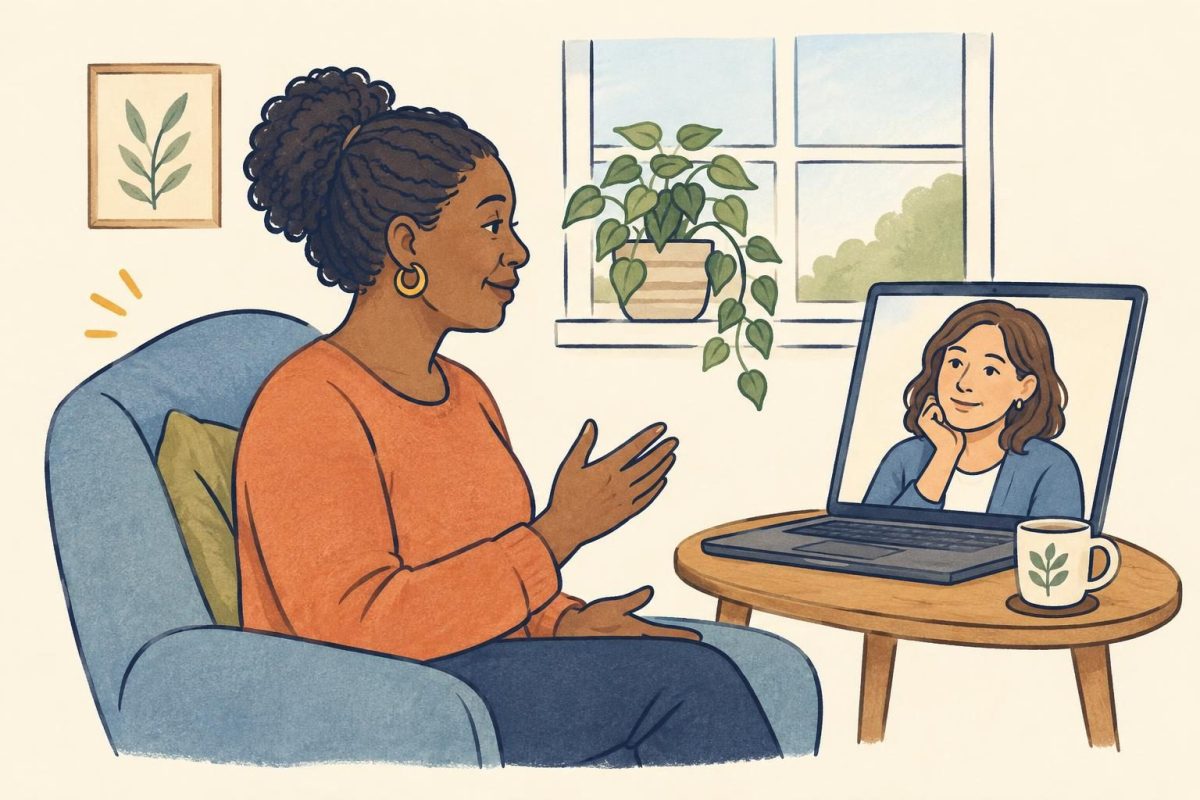
If you have started looking into therapy, you may have seen the phrase "person-centred" in a lot of therapist profiles. It is one of the most widely practised approaches to counselling in the UK, and many therapists draw on it even when they also use other methods.
This article explains where person-centred therapy came from, the ideas behind it, what sessions are usually like, and some things to think about when deciding whether it might suit you. It is general information, so if you have questions about your own situation, your GP or a registered therapist can help you think them through.
Where person-centred therapy comes from
Person-centred therapy was developed by the American psychologist Carl Rogers in the middle of the twentieth century. At the time, many therapies placed the therapist in the role of expert, someone who would interpret what was going on and tell the client what it meant.
Rogers took a different view. He believed that people generally have a natural tendency to grow, heal and move towards what is good for them, in the right conditions. He called this the actualising tendency. In simple terms, it is the idea that, like a plant given light and water, people tend to grow when they feel safe, accepted and understood.
From this came the central belief of the approach: you are the expert on your own life. The therapist's job is not to fix you or direct you, but to offer a relationship in which you can work things out for yourself.
The three core conditions
Rogers described a set of qualities he thought a therapist needs to offer for change to happen. Three of these are often called the core conditions, and they are at the heart of person-centred work.
Empathy
Empathy means the therapist tries to understand your experience as you feel it, from the inside, rather than judging it from the outside. They then check that understanding with you. For example, if you describe a difficult week, a therapist might say something like, "It sounds as if you have been holding everything together for everyone else, and there has been no room for you." You can then say whether that fits or not.
Unconditional positive regard
This is a longer phrase for something quite simple: warm acceptance of you as a person, without conditions. It does not mean the therapist agrees with everything you do. It means you do not have to earn their respect or hide parts of yourself to be accepted. Many people have grown up feeling they were only valued when they behaved in certain ways, so this kind of acceptance can feel unfamiliar at first.
Congruence
Congruence, sometimes called genuineness, means the therapist is real with you rather than hiding behind a professional mask. They are honest and open in the relationship, while keeping the focus on you. This helps build trust, because you are talking with a person, not a performance.
What a session is usually like
Person-centred therapy is often described as non-directive. That means the therapist will not usually set an agenda, give homework or lead you through structured exercises. Instead, you bring whatever feels important that day, and the session follows where you want to go.
In practice, a session might look like this:
- You start by talking about whatever is on your mind. It could be a specific problem, a general feeling, or something you are not yet sure how to put into words.
- The therapist listens closely and reflects back what they are hearing, both the facts and the feelings underneath.
- They may ask gentle questions to help you explore, but they will not tell you what to think or what to do.
- Silences are allowed. A pause can be a chance to notice what you are feeling, rather than something to fill.
- Over time, you may start to see patterns, feel clearer about what you want, or feel kinder towards yourself.
Some people find this freedom a relief. Others find it a little uncomfortable at first, especially if they expected the therapist to give advice. Both reactions are normal, and it is fine to talk about them in the session itself.
How it may help
The thinking behind person-centred therapy is that when you feel truly heard and accepted, you gradually stop needing to defend yourself. That can make it easier to look honestly at your feelings, to accept parts of yourself you have been critical of, and to make choices that fit who you are rather than what others expect.
People come to person-centred therapy for many reasons, including:
- feeling low, stuck or unsure what is wrong
- low self-esteem or a harsh inner critic
- loss, change or a sense of not knowing who they are any more
- relationship difficulties
- wanting space to make sense of their life without being told what to do
Research across many types of therapy suggests that the quality of the relationship between client and therapist is one of the factors most consistently linked with good outcomes. Person-centred therapy puts that relationship at the very centre. Even so, no approach works for everyone, and how helpful it is will depend on you, your therapist and what you are hoping for.
How it differs from other approaches
It can help to see how person-centred therapy compares with some other common approaches. These are broad differences, and many therapists blend methods.
- Compared with CBT: cognitive behavioural therapy is usually more structured. It often focuses on specific problems, uses worksheets or homework, and teaches practical techniques. Person-centred therapy is more open and led by you.
- Compared with psychodynamic therapy: psychodynamic therapists may offer interpretations about how your past or unconscious patterns are shaping the present. A person-centred therapist is less likely to interpret and more likely to help you reach your own understanding.
Neither style is better in every case. Some people prefer clear structure and tools. Others want room to explore at their own pace. It can also change over time, and some people try different approaches at different points in their life.
Is it right for you?
Person-centred therapy may suit you if you want to be listened to without judgement, if you value having control over what you talk about, or if you are not sure exactly what the problem is and want space to find out.
You might prefer a more structured approach if you want specific techniques for a clearly defined difficulty, or if you know you work best with a plan. If you have a diagnosed condition, it is worth asking your GP or a registered therapist which approaches are usually recommended, as guidance can differ depending on the difficulty and how severe it is.
Some questions you could ask a therapist before you start:
- Do you work in a purely person-centred way, or do you combine it with other approaches?
- What might a typical session with you look like?
- How do we review whether therapy is helping?
- What happens if I would like more structure or suggestions at some point?
A good therapist will welcome these questions. Feeling comfortable with them matters a great deal in this approach, so it is fine to take your time choosing.
Therapy, including online therapy, is not an emergency service. If you ever feel unsafe or are thinking about harming yourself, in the UK you can call 999 in an emergency, call NHS 111, or contact Samaritans free on 116 123 at any time.
Starting out
The first few sessions of person-centred therapy are often about getting to know each other and building trust. You do not need to arrive with everything worked out, or even know what you want to say. Many people begin with, "I am not really sure where to start", and that is a perfectly good place to begin.
If you would like to try it, you can look for a therapist registered with BACP, NCPS or UKCP who lists person-centred therapy among their approaches. On WebcamTherapy, you can book a registered therapist for a private video session from home. Whichever route you choose, the aim is the same: a space where you can be heard, on your own terms.
WebcamTherapy editorial team
Our articles are reviewed by registered therapists before publishing.
Related articles
Therapy explained
How CBT works: the links between thoughts, feelings and behaviour
Cognitive behavioural therapy is built on a simple idea: what we think, how we feel and what we do all affect each other. Here is how that cycle works, and how CBT helps you change it.
10 Nov 2026 · 7 min read

Therapy explained
Psychodynamic therapy: how the past shapes the present
Psychodynamic therapy explores how early experiences and hidden feelings can quietly shape the way we think, feel and relate today. Here is a calm guide to what it involves and who it may suit.
18 Dec 2024 · 7 min read

Therapy explained
How to tell if a therapist is the right fit for you
The relationship you have with your therapist matters. Here is how to notice whether it is working, how to tell normal discomfort from a poor match, and what to do if you want to change.
22 Jul 2024 · 7 min read