Relationships
Communication patterns that strain relationships, and what helps
Most couples argue, but some ways of talking leave both people feeling hurt and unheard. Here is how to spot common unhelpful patterns and gentle ways to change them.
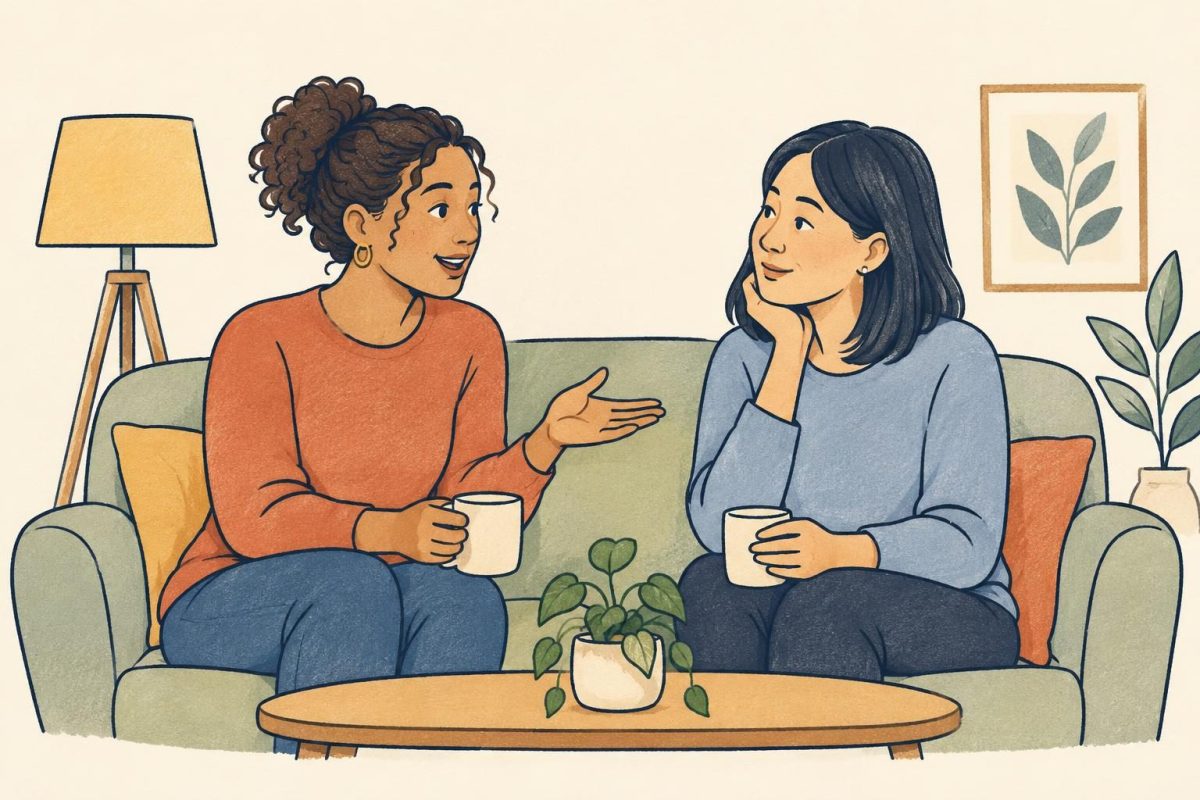
Every relationship has disagreements. Arguing now and then does not mean something is wrong. Often what matters more is how you talk to each other when things get difficult, and whether you can find your way back to each other afterwards.
Over time, many couples slip into habits of communication that neither person really chose. The same row comes round again and again, and both people end up feeling misunderstood. This article looks at some common patterns, why they happen, and small changes that can make a real difference. It focuses on romantic relationships, but much of it applies to friends, family and housemates too.
Why patterns matter more than single arguments
One sharp comment after a long day is unlikely to damage a relationship. What tends to wear people down is repetition. When the same way of talking keeps happening, it can start to shape how you see each other. You might begin to expect criticism before your partner has said a word, or brace yourself for silence.
The good news is that patterns are learned, which means they can be noticed and changed. It usually takes both people, and it rarely happens overnight, but even one person changing how they respond can shift the whole dynamic.
Common patterns that cause strain
Criticism instead of a complaint
A complaint is about a specific thing: "I felt let down when you didn't call." Criticism turns it into a judgement about the person: "You never think about anyone but yourself." Words like "always" and "never" are often a sign that a complaint has become criticism. The other person is then more likely to defend themselves than to hear what you need.
Defensiveness
When we feel attacked, it is natural to protect ourselves. We might make excuses, point out what the other person did wrong, or say "That's not fair" before listening. Defensiveness is very understandable, but it can leave the other person feeling that their concern has been brushed aside, so they push harder.
Contempt and mockery
Eye-rolling, sarcasm, name-calling or speaking to a partner as if they are beneath you send a painful message: "I don't respect you." This pattern can be especially damaging because it chips away at the sense of being valued. If it shows up, it is worth taking seriously.
Shutting down
Sometimes one person goes quiet, leaves the room or stops responding. This is often not a choice to punish. Many people shut down because they feel overwhelmed, and their body is in a kind of stress response where it becomes hard to think or speak. To the other person, though, it can feel like being ignored or abandoned.
The pursue and withdraw cycle
This is one of the most common patterns. One person wants to talk things through now, and the more they push, the more the other pulls away. The more the second person withdraws, the more anxious and insistent the first becomes. Both are usually trying to make things feel safer, but in opposite ways, and each one's reaction fuels the other's.
Mind reading and keeping score
Assuming you know what your partner thinks ("You're only saying that to get out of it") can lead to arguments about things they never meant. Bringing up a long list of past hurts in every row can also make it hard to resolve the issue in front of you.
Why we fall into these habits
Understanding where patterns come from can make them feel less like a personal failing. Some common reasons include:
- Stress and tiredness. Money worries, work pressure, caring responsibilities or poor sleep leave less patience for difficult conversations.
- What we learned growing up. If arguments in your family were loud, or never happened at all, you may carry those habits into adult relationships.
- Old hurts. Past experiences of rejection or criticism can make certain words or tones feel far bigger than intended.
- Feeling unsafe in the moment. When we feel threatened, the body's fight, flight or freeze response can take over. Fighting might look like criticism, flight like leaving the room, and freeze like going silent.
None of this excuses hurtful behaviour, but it can help both people approach the problem with more curiosity and less blame.
What tends to help
There is no single script that works for every couple, but these approaches are widely used and can help many people.
Start gently
How a conversation begins often shapes how it goes. Try describing what happened and how you felt, then what you would like. For example: "When plans changed at the last minute, I felt stressed. Could we check with each other first next time?" This is sometimes called using "I" statements, because the focus is on your experience rather than on what is wrong with the other person.
Listen to understand, not to reply
Before giving your side, try reflecting back what you heard: "So you felt left out when I made plans without you?" This does not mean you agree. It shows you are listening, and it often lowers the temperature.
Take a proper break when you need one
If either of you feels overwhelmed, it is fine to pause. What helps is being clear about it: "I'm getting too wound up to talk well. Can we take twenty minutes and come back to this?" Then do something calming, such as a short walk or slow breathing, rather than replaying the argument. Coming back as agreed helps the other person trust that a break is not a way of avoiding them.
Notice and accept repair attempts
Repair attempts are small moves to ease tension: a joke, a touch on the arm, "Sorry, that came out wrong", or "Can we start again?" Making them, and accepting them when your partner offers one, can stop an argument from spiralling.
Take responsibility for your part
Instead of defending, look for even a small piece of the complaint you can accept: "You're right, I did forget. I can see why that was frustrating." This often makes it easier for the other person to soften too.
Pick your moment
Important conversations rarely go well when someone is hungry, exhausted, rushing out of the door or has been drinking. Agreeing a calmer time to talk is not avoiding the issue; it gives it a better chance.
Name the pattern together
Some couples find it helps to give their cycle a name, such as "the chase" for pursue and withdraw. When it starts, either person can say, "I think we're doing the chase again." This turns the pattern into a shared problem rather than one person's fault.
When it is more than a communication problem
The ideas above are for relationships where both people feel basically safe and respected. Some situations are different. If a partner frightens you, controls your money, who you see or what you do, checks your phone, threatens you, or hurts you physically or sexually, this is not a communication difficulty. It is abuse, and it is never your fault.
In these situations, communication tips are not the answer, and couples work is often not recommended because it may not be safe. Speaking to your GP or a registered professional on your own can be a good first step. Online therapy is not an emergency service. If you are in immediate danger, call 999. You can call NHS 111 for urgent advice, or contact Samaritans free on 116 123 at any time, day or night, if you are struggling or feeling unsafe.
How therapy can help
Changing long-standing patterns can be hard to do alone, especially when emotions run high. Therapy offers a calm space to step back and look at what is happening.
- Individual therapy can help you understand your own reactions, such as why criticism hits so hard or why you shut down, and practise responding differently. It can be useful even if your partner does not want to take part.
- Couples therapy involves both partners and a therapist who helps you hear each other, spot your cycle and try new ways of talking in the session itself.
Therapy does not promise that a relationship will stay together, and it is not a quick fix. What it can offer is clearer understanding, so that whatever you decide, you can do it with more care for yourself and the other person.
If you would like support with this, you can book a private video session with a registered therapist through WebcamTherapy, from a quiet space at home. Whatever you choose, noticing these patterns is already a meaningful step towards changing them.
WebcamTherapy editorial team
Our articles are reviewed by registered therapists before publishing.
Related articles
Relationships
Supporting a partner or family member who is struggling
When someone you love is having a hard time, it can be difficult to know what to say or do. Here is some gentle, practical guidance on helping them while also looking after yourself.
22 Jun 2025 · 7 min read
Therapy explained
How CBT works: the links between thoughts, feelings and behaviour
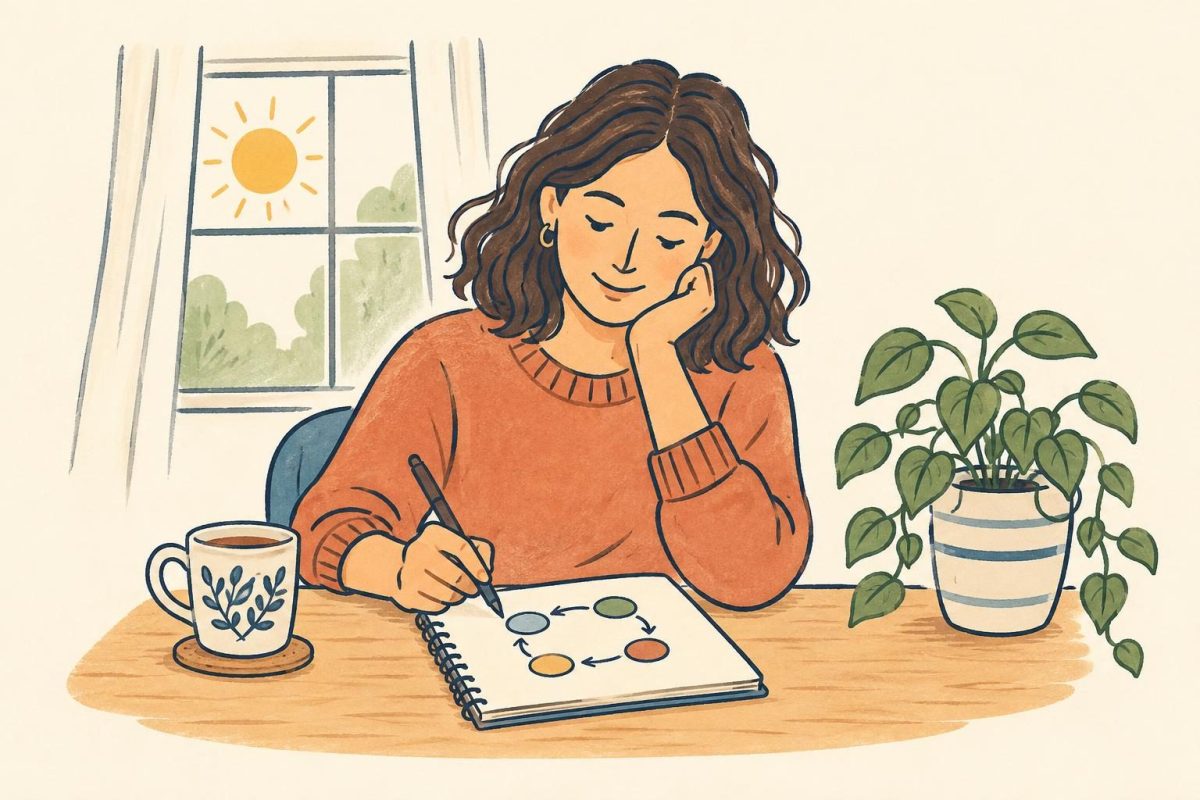
Cognitive behavioural therapy is built on a simple idea: what we think, how we feel and what we do all affect each other. Here is how that cycle works, and how CBT helps you change it.
10 Nov 2026 · 7 min read
Online therapy
What to expect from your first online therapy session
Feeling nervous before your first video session with a therapist is completely normal. Here is a calm, practical guide to what usually happens before, during and after that first appointment.
10 Nov 2026 · 7 min read